
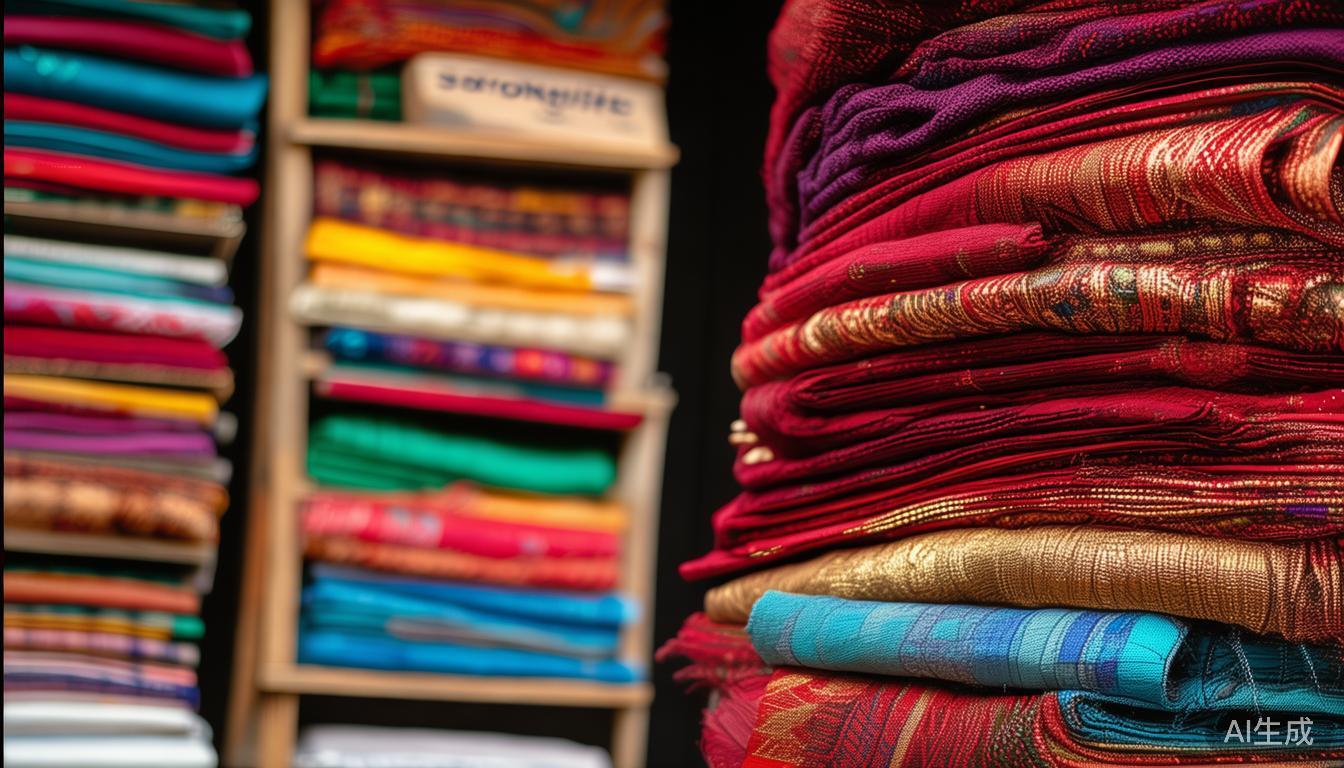
For those resorts and retail partners in the South Pacific, it was particularly important for us to select textiles that fit the tropical feel while also meeting the needs of our guests. The Nigerian loincloth, also known as Wrapper Sarong, is a category that perfectly integrates rich culture and excellent craftsmanship with practical value. It is much richer than a piece of fabric, a cultural expression that carries the story of West Africa and fits seamlessly into our island life. Understanding its core values will help you stand out in the local market and provide customers with a unique product experience.
How the Nigerian loincloth is used in South Pacific resorts
As far as resort scenes are concerned, the use of Nigerian loincloths has a high degree of flexibility. One of its most direct functions is to serve as a beach salon or vacation dress for guests. Its colorful African geometric prints form an extremely charming contrast with the blue sea and sky, which can quickly enhance the guest's vacation experience and inspire photography. The desire to share is at the same time. It is also a very high-quality guest room decoration item. It can be used as a bedside towel, a sofa cover, or a wall hanging, thereby adding an artistic flavor filled with exotic cultural atmosphere to the room. Such multi-purpose attributes mean that a single purchase can solve the material demand problems of multiple departments and effectively control costs.
What are its unique advantages compared with traditional South Pacific printed fabrics?
Comparing the Nigerian loincloth with the traditional floral prints commonly seen in the local area, the Nigerian loincloth is very distinctive. It has a strong cultural narrative and unique craftsmanship, which is its core advantage. The patterns generally have profound symbolic meanings and tell stories about family, nature or faith, which creates opportunities for retailers to carry out "story marketing" to customers. In terms of craftsmanship, many high-quality Nigerian loincloths are made using hand-made batik or embroidery methods. The colors are highly saturated and not easy to fade, and the texture is thicker and more durable. In this way, it can demonstrate a unique sense of quality and sincerity among many light and thin chemical fiber products.

What should you pay attention to when purchasing high-quality Nigerian loincloths?
When purchasing, the first thing to pay attention to is the fabric composition. Pure cotton or cotton blends are the basis for ensuring breathability and comfort. Secondly, you need to identify the printing and dyeing process. There may be a slight feeling of wetness at the edge of the hand-printed and dyed pattern, which is precisely its value, while machine printing is completely uniform. The originality and cultural authenticity of the pattern also need to be paid attention to to avoid purchasing a large number of crude imitations. It is recommended to cooperate with suppliers that can be directly traced to specific regions in Nigeria (such as the Adoni-Eleko region). They can usually provide a more authentic product range with more solid craftsmanship, and can ensure stable supply.
How to market this cultural product to local customers
The key is that marketing is education rather than just sales. In stores or hotels, small cards can be used to briefly describe the symbolic meaning of fabric patterns, such as a certain pattern representing unity or a river, and it can be creatively connected with local culture. For example, demonstrating how to use a loincloth as a traditional "lapa" or innovative headscarf or apron, and providing simple dressing training to resort employees so that they can become mobile display models, emphasizing its environmental protection and the ethical value of supporting African craftsmen, can also deeply impress today's socially responsible consumers.
After you introduced Nigerian loincloth to your store or resort, what did you observe as your customers' greatest interest in this textile full of stories? Is it the story of its unique pattern, the various ways to wear it, or its cultural value as a souvenir? Welcome to share your observations in the comment area. If you think these procurement ideas are valuable, please like and share them with your industry partners.
