
In the retail and resort business in the Pacific Islands, Pareo is not just a commodity, but an important category loaded with culture, emotion and practical value. As a practitioner who has been working in the textile market in the South Pacific region for many years, I clearly understand that choosing the right Paleo is particularly important to improve customer experience and increase revenue. This article will start from the perspective of professional wholesale to discuss how to identify quality, understand cultural connotation and carry out effective procurement. The purpose is to provide retailers and buyers with practical and implementable decision-making reference.
How to identify high-quality Hawaiian pareo fabrics and craftsmanship
The quality of a piece of Paleo is first determined by its fabric and printing and dyeing process. Common fabrics on the market include viscose fiber, pure cotton and blended fabrics. High-end products mostly use high-quality viscose fiber, which has the characteristics of good drape, bright color and cool touch, which is very suitable for tropical climate. You can feel its smoothness and weight with your hands. Light and rough ones are often prone to pilling and fading. In terms of craftsmanship, attention should be paid to printing clarity and color fastness. Most of the authentic high-quality pareos use reactive dyes or digital direct injection technology. The edges of the patterns are sharp and they can still remain bright after repeated washing. Checking the alignment of the patterns on the front and back, as well as the processing of the seams, is also an intuitive way to determine whether it is well made.
What are the cultural taboos and implications of Hawaiian pareo patterns?
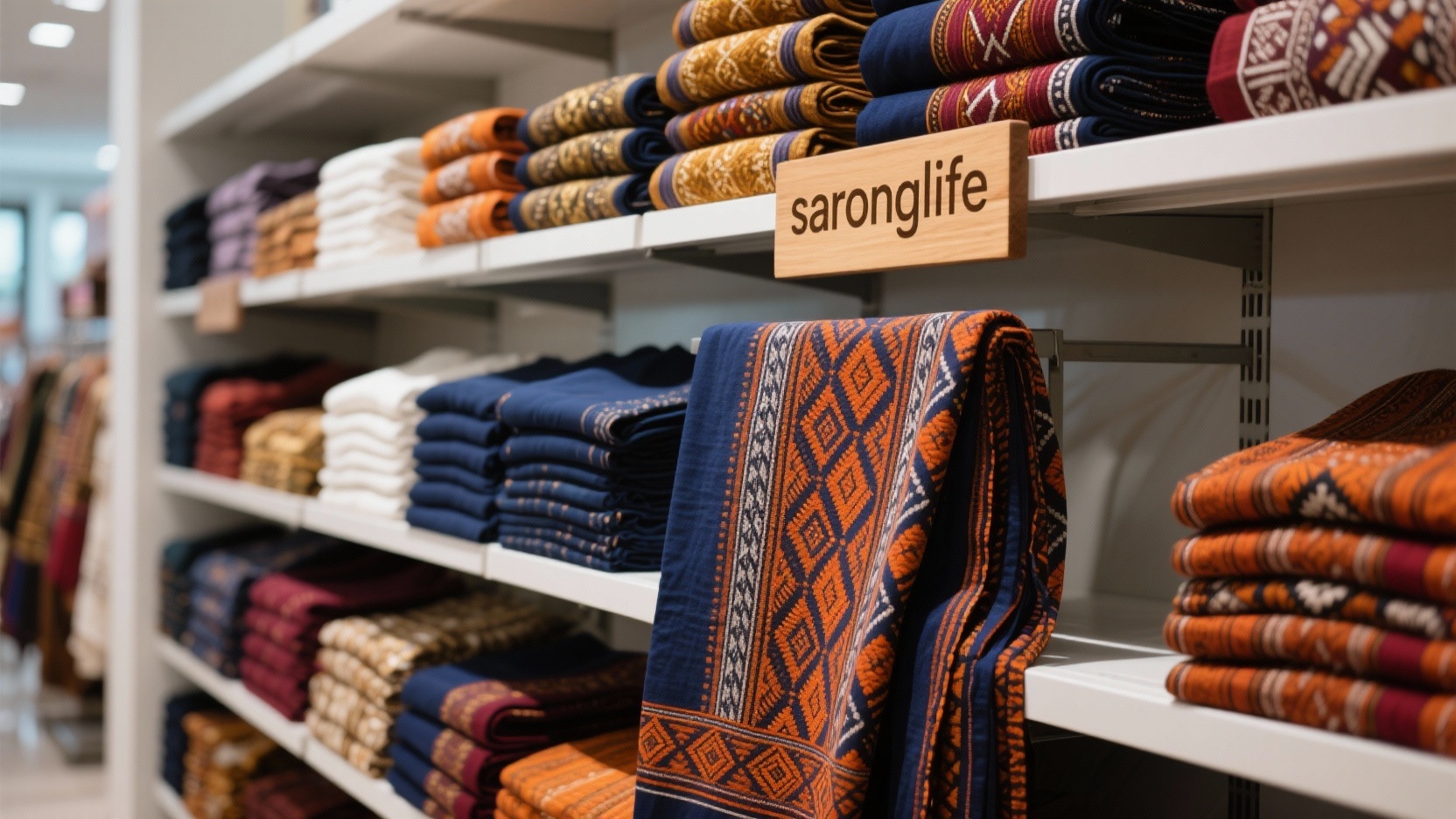
Paleo patterns are not randomly designed. Each pattern is deeply rooted in Polynesian culture, such as the "Honu" (turtle) symbolizing longevity and navigation, and the "Maile" vine pattern representing peace and sanctity. When purchasing for your resort or store, be sure to understand and respect these cultural connotations. Special attention should be paid to some traditional patterns that are sacred or exclusive to the family (such as certain derivatives of "Tapa" prints). Unauthorized commercial use may lead to cultural disrespect or even legal issues. It is recommended to work with suppliers who have a deep understanding of cultural origins and who have formal cooperation with local artists to ensure that the products are culturally authentic and compliant.
Practical strategies for purchasing pareo in bulk for resorts in the South Pacific region
From the resort's perspective, Paleo serves as room gifts, spa supplies or event props. When purchasing, cost, durability and aesthetic unity must be taken into consideration. A more appropriate approach is to adopt a hierarchical purchasing strategy: equip VIP rooms or high-end spa areas with high-end series with rich cultural stories and exquisite craftsmanship; equip ordinary rooms and pool services with standard series with bright colors and strong durability. When purchasing on a large scale, be sure to ask the supplier to provide large samples for washing and sun exposure testing to ensure its performance in the actual use environment. Establishing long-term inventory and thinking deeply about customizing special designs with resort logos or unique colors can effectively enhance the uniqueness of the brand and achieve good long-term cost control.
Adhering to the Polynesian culture, only shared knowledge has value. We hope that the above sharing based on practical experience can give you a clear direction for your purchasing decisions. For a long time, we have firmly believed that truly high-quality and good products are the bridge connecting customers, culture and business. When you choose Paleo for the next peak season, which aspect do you value most: the overwhelming cost advantage, or the flawless cultural story and quality? Feel free to share your purchasing philosophy in the comment area. If you find this article inspiring, please feel free to like it and share it with your peers.
