
Improving the attractiveness of inventory and meeting the needs of high-end customers is a challenge that retail merchants and resort purchasers in the South Pacific region have been facing. In such a situation where there is a strong local textile culture, an item called "Kain Sarong Kelantan" or Kelantan sarong cloth from the Malaysian state of Kelantan is becoming a severely underestimated business opportunity. It is not only a high-quality textile in itself, but also a cultural asset carrying history and craftsmanship, which can add unique value and stories to your product portfolio.
Why is Kain Sarong Kelantan the first choice souvenir in high-end resorts? Is there any special reason?
For high-end resorts, the souvenirs given to guests must be better than ordinary products and must have cultural authenticity and collectible value. Kelantan sarong cloth perfectly fits this requirement. It uses traditional "Ikat" tie-dying techniques and hand-weaving techniques, so the pattern of each piece of fabric is different, telling the story of nature and faith on the east coast of the Malay Peninsula. Treating it as a VIP gift or selling hot products in boutiques can significantly improve the cultural taste of the resort and extend the guest experience from service to a piece of art with a story. This is more memorable and worth sharing than mass-produced souvenir shirts.
How do people involved in retail business activities identify and distinguish whether high-quality Kain Sarong Kelantan products are real or fake?
When entering this field, discerning authenticity and quality are key. First, let’s look at the craftsmanship: For a genuine Kelantan handmade sarong, the edges of the “Ikat” pattern will be slightly smudged due to hand-tied dyeing, and the density of warp and weft lines is high, giving it a thick and crisp feel. However, the patterns of machine-made products appear too regular and the edges are very sharp. Secondly, we need to look at the place of origin and the signature of the weaver: many experienced weavers will leave marks on the corner of the cloth with specific knots. A trustworthy wholesaler should be able to provide clear proof of origin and an introduction to workmanship. When purchasing for the first time, it is recommended to start with styles with "Songket" (gold embroidery) elements. Because the craftsmanship is complicated and the cost of imitation is high, it is less likely to make mistakes when being imitated, and its authenticity can be guaranteed.
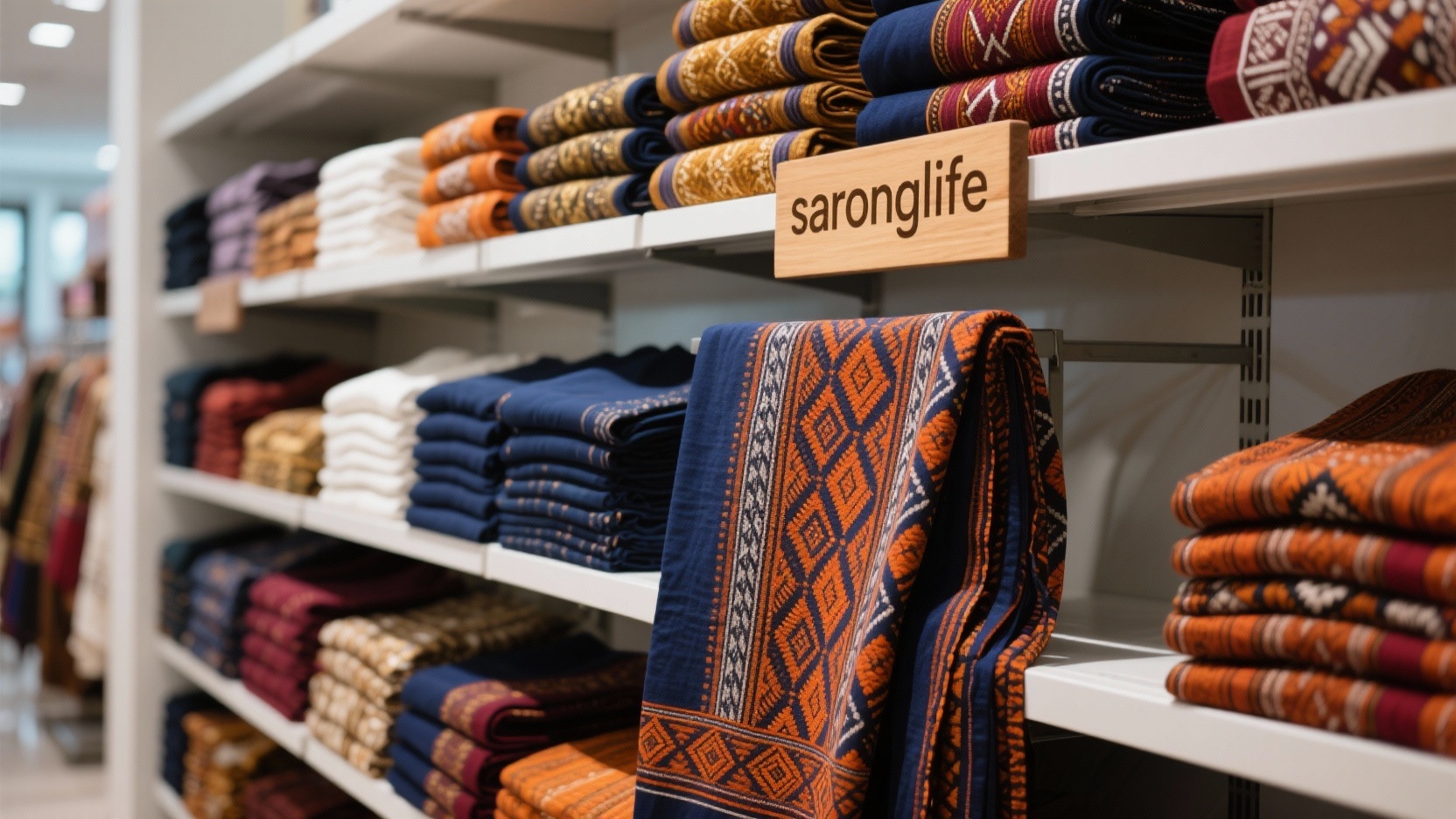
Launched a procurement operation for Kain Sarong Kelantan, which is a sustainable cultural cooperation model.
Establishing a direct and long-term purchasing relationship with local workshops or cooperatives in Kelantan is the best way to ensure a stable supply of goods and guaranteed quality. This model transcends the scope of pure buying and selling and becomes a sustainable cultural cooperation. With regular orders, you can provide local craft families with a sustainable source of livelihood and inspire them to pass on endangered skills. At the same time, you can also get the opportunity to be the first to select high-quality products, and even participate in customized design. When communicating with the workshop, showing a desire for knowledge about the details of the craftsmanship and a respect for the cultural background is a solid foundation for building trust. We have made a recommendation that on-site visits be conducted at least once a year. Doing so not only deepens collaboration, but is also a source of new inspiration.
How to integrate traditional sarong cloth into modern retail and hotel scenes
The traditional sarong cloth has extremely high matching flexibility. For retailers, it can be used as a themed display according to beach skirts, living room decoration shawls, high-end dining table runners, and framed art works, and it can also be attached with a short cultural story card. For resorts, in addition to being used as gifts, the sarong cloth can also be used as body wraps for spa guests, placemats in high-end restaurants, or as an embellishment on employee uniforms (like front desk scarves) to create an overall cultural atmosphere. The key is to educate your customers and guests, telling them that this is not just a piece of cloth, but a handicraft that can be worn, used, and collected, and its value will increase over time.
When you choose specialty textiles in a boutique or resort, what is most important to you is the unique story of the product, or its practical and easy-to-sell features that fit into modern life scenes? Welcome to share your purchasing perspective in the comment area. If you think this type of cultural goods has market potential, please also like and share it with your peers.
