
Purchasing high-quality Tongan ceremonial clothing "Tupanu" from resorts and retailers is not just selecting an item, but also showing respect and infiltrating a deep-rooted Pacific island culture. As a bridge between traditional craftsmen and the modern market, I have a deep understanding of the materials, patterns and dress code of a formal tupenu, which directly correlates to customer experience and business reputation. This article will share how to identify and purchase tupanu that is truly suitable for the celebration occasion, so as to help you provide an authentic and decent cultural experience to your guests.
How to choose a formal ceremony tupanu in Tonga
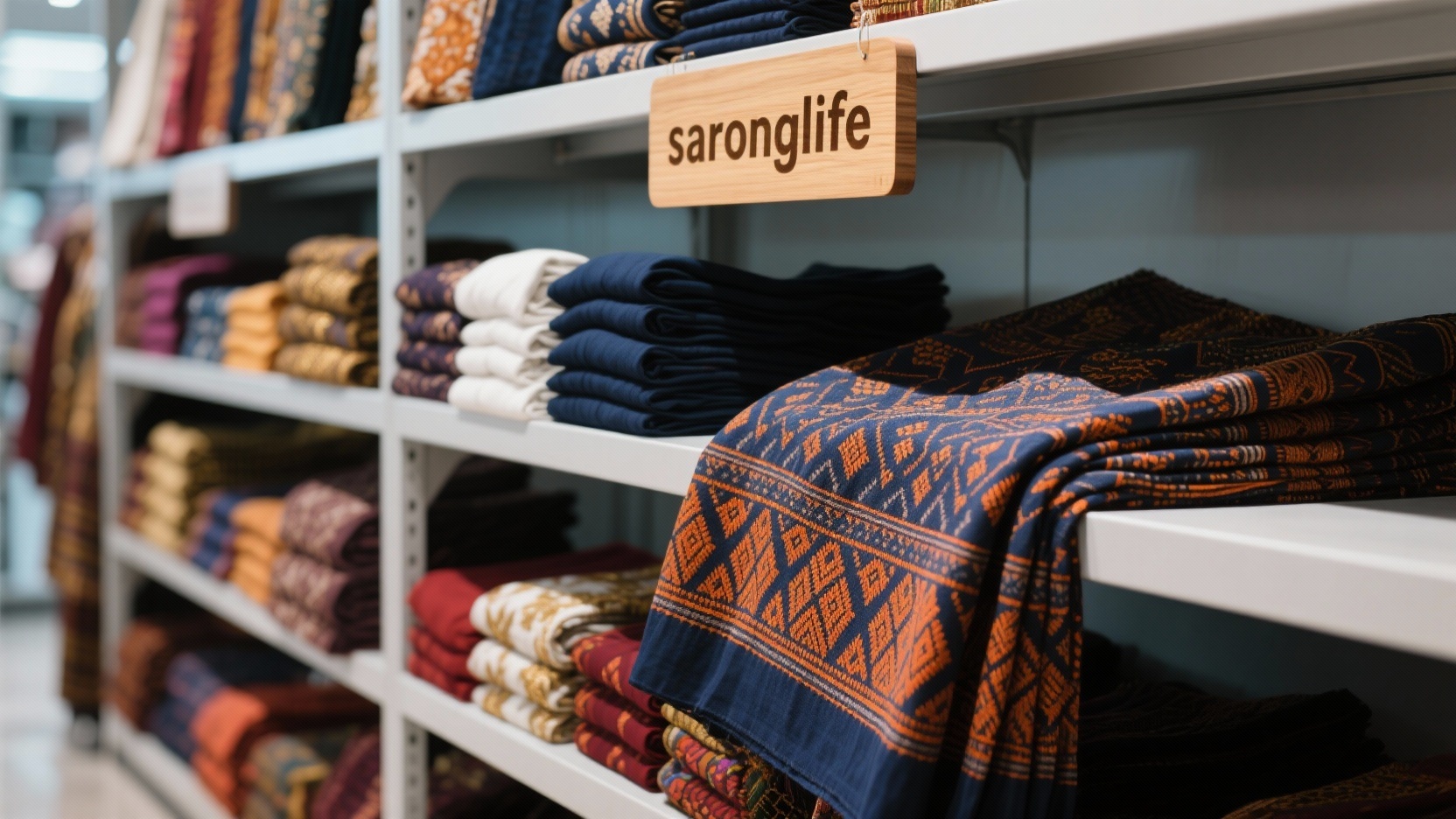
The standard of tupenu used in formal ceremonies is very different from the daily style. First of all, the fabric must be made of uncut complete "Tapa" cloth, or high-quality woven cotton or linen, so as to show a crisp and drapey texture. In terms of color, pure black, dark brown or pure white are the main popular colors in formal occasions, symbolizing solemnity and respect. The most critical identification point is its size: a standard formal tupenu should be longer than the knee and wide enough to completely wrap around the waist several times, ensuring that the person wearing it still looks decent when moving. When making a purchase, be sure to ask the supplier explicitly about its "ceremony suitability" and ask for clarification on relevant cultural provenance.
What are the cultural meanings of Tonga Tupenu’s traditional patterns?
The pattern on Tupenu is not simply for decoration, it is the kind of visual language that carries the family’s past history and social class status. Common geometric patterns such as "matpura" are mostly derived from woven mats, which symbolize unity and protection; while curved patterns such as "kara" may be related to specific family genealogy or historical events. In formal occasions, the complexity of patterns and specific combinations often quietly reveal the identity of the wearer and the nature of the celebration. When purchasing for the resort, it is safer to choose styles with clear patterns and universal meanings. You should avoid using exclusive patterns with specific family ownership or sacred meanings, so as to reflect careful respect for culture.
What details do you need to pay attention to when purchasing tupenu in bulk for your resort?
Consistency, durability and cultural appropriateness are three core considerations when purchasing in bulk. You must ensure that the Tupenu from the same batch are highly consistent in terms of color fastness, fabric thickness, and pattern printing accuracy to avoid visual disharmony during group activities. Due to frequent use and laundering, the strength of the seams and the wrinkle resistance of the fabric must be tested. In addition, it is recommended to customize a simple dress guide for your resort, with relevant illustrations to ensure that employees can assist guests in dressing correctly. This thoughtful detail will greatly enhance the professional value of the service and can effectively avoid cultural faux pas that may be caused by improper dress.
How to Store and Maintain Tonga Tupenu to Ensure Its Longevity
Proper maintenance of the tupenu can greatly extend its life and maintain its stately appearance. When storing, fold it flat and place it in a dry and ventilated place to prevent permanent creases or pattern adhesion caused by heavy pressure. When cleaning, it must be hand-washed with cold water and neutral detergent. It must not be bleached or dried. For precious Tapa Butupenu, professional dry cleaning is recommended. Hanging to dry in a cool place between uses is the best practice. Providing these simple maintenance tips to your end customers can also become a value-added service, reflecting your dual care for products and culture.
When preparing a Tongan cultural experience for your high-end guests, in addition to providing authentic Tupanu, which accompanying cultural explanation or service detail do you think can best enhance their overall immersion and satisfaction? Welcome to share your practices or ideas in the comment area. If you think this article is helpful to your purchasing decision, please feel free to like and share it.
