
For retailers in the South Pacific region, choosing a suitable traditional textile is not just about purchasing goods, but also choosing a cultural carrier that can resonate deeply with local communities and tourists. The same is true for resort buyers in the region. As a classic representative of this region, Cotton Lavalava's value is demonstrated in its comfortable and practical texture, rich cultural expression, and as an integral part of a sustainable lifestyle. Understanding the cultural connotation and market positioning behind it is the key to making successful purchasing decisions, a key factor in obtaining effective purchasing results, and an important part in achieving ideal purchasing decisions.
Why Cotton Lavalava is indispensable in South Pacific resorts
In the operation of the resort, guests are not only given a room, but also an immersive cultural experience. Cotton Lavalava plays an irreplaceable role in this regard. It can be used as a comfortable bathrobe or beach towel in the room, as a welcome gift or as a attire for special events, which will instantly lead guests to the casual atmosphere of the South Pacific. Compared with cheap chemical fiber products, high-quality cotton has skin-friendly feel, breathability and quick drying properties, which can greatly improve guests' stay satisfaction and reduce complaints caused by uncomfortable materials. Many repeat guests choose to stay again because of these nuanced cultural experiences.
How to distinguish high-quality Cotton Lavalava from ordinary products
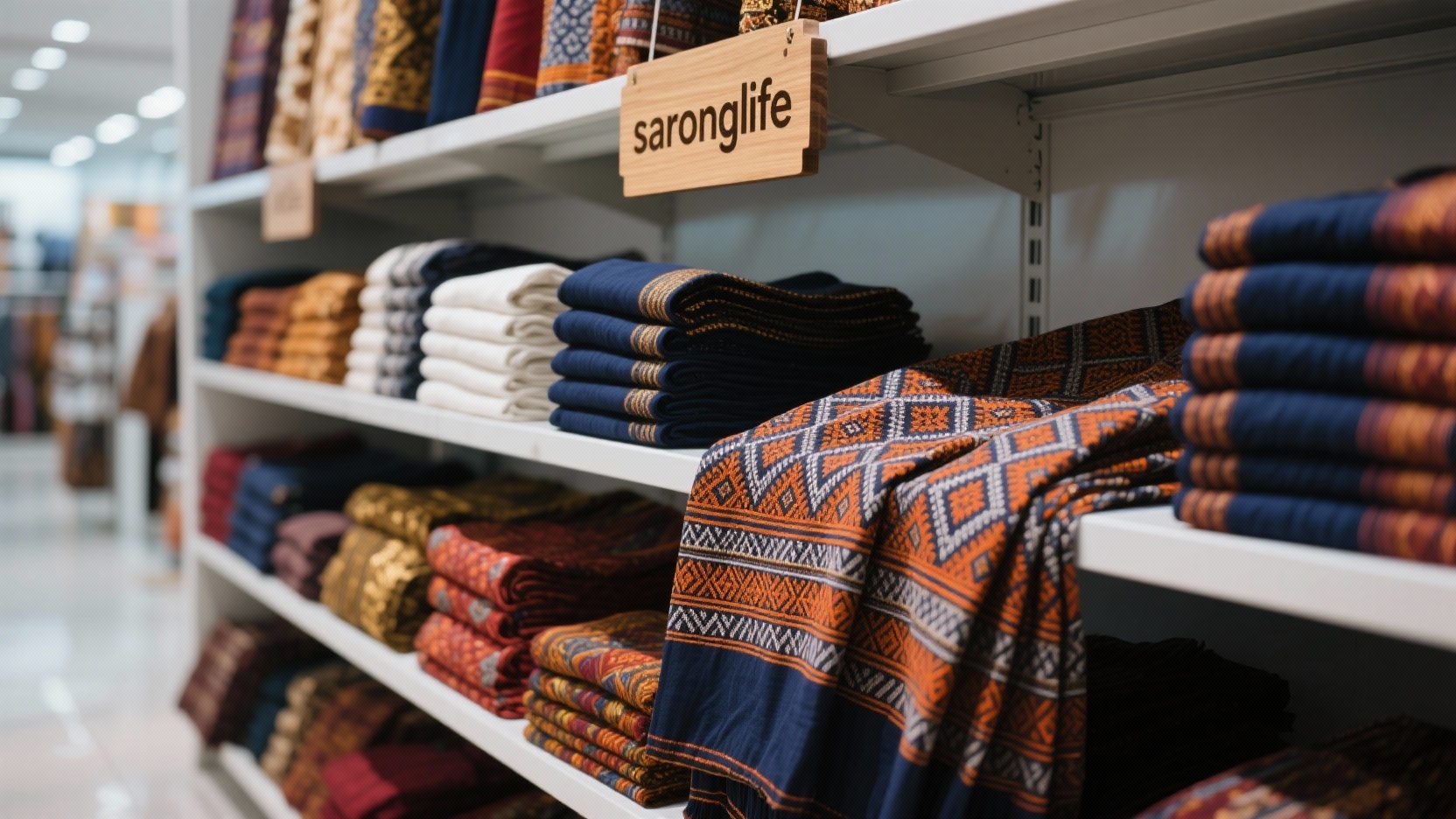
The quality of Lavalava in the market varies greatly, and the price varies significantly. As a buyer, you can grasp several key points to identify. The first is the feel and weight. High-quality pure cotton generally uses longer fibers and is woven extremely tightly. It has a thick, soft feel and a drapey feel. It is not easy to shrink and deform after washing. The second step is the printing process. The cultural patterns must be clear and the colors must be firm and not smudged. This is the basic requirement. The color transparency on the back of the fabric can be checked, and a simple friction test can also be performed. Finally, there is the hemming process. Strong double-needle stitching or hand-rolled hemming lasts much longer than rough single-thread hemming. These details directly relate to the product's longevity and customer-perceived value.
When purchasing Cotton Lavalava, how can we balance traditional patterns with today's modern needs? This is a question.
Traditional Lavalava patterns carry historical information about families, islands or specific celebrations and are deeply cherished by local residents. When facing the tourist market, buyers need to consider the universality and beauty of the patterns. My suggestion is to adopt a combination strategy of "core traditional styles + modern derivatives". The core inventory should contain classic totem patterns that are recognized and widely recognized by the culture, and can be used for cultural display and in-depth experience activities. At the same time, modern designs that are simplified and abstracted based on traditional tones can be introduced, or natural element styles such as marine life and plants that are more popular with international tourists can be added. This combination not only respects the cultural roots, but also broadens the application scenarios and appeal of the product.
When you purchase Cotton Lavalava for your own store or resort, do you value its original cultural symbol characteristics more, or do you prefer an improved design that adapts to tourists' aesthetics? Which approach do you think provides a better balance between commercial success and cultural respect? Welcome to the comment area to share your insights. If this article has inspired you, please like it and share it with your peers.
