
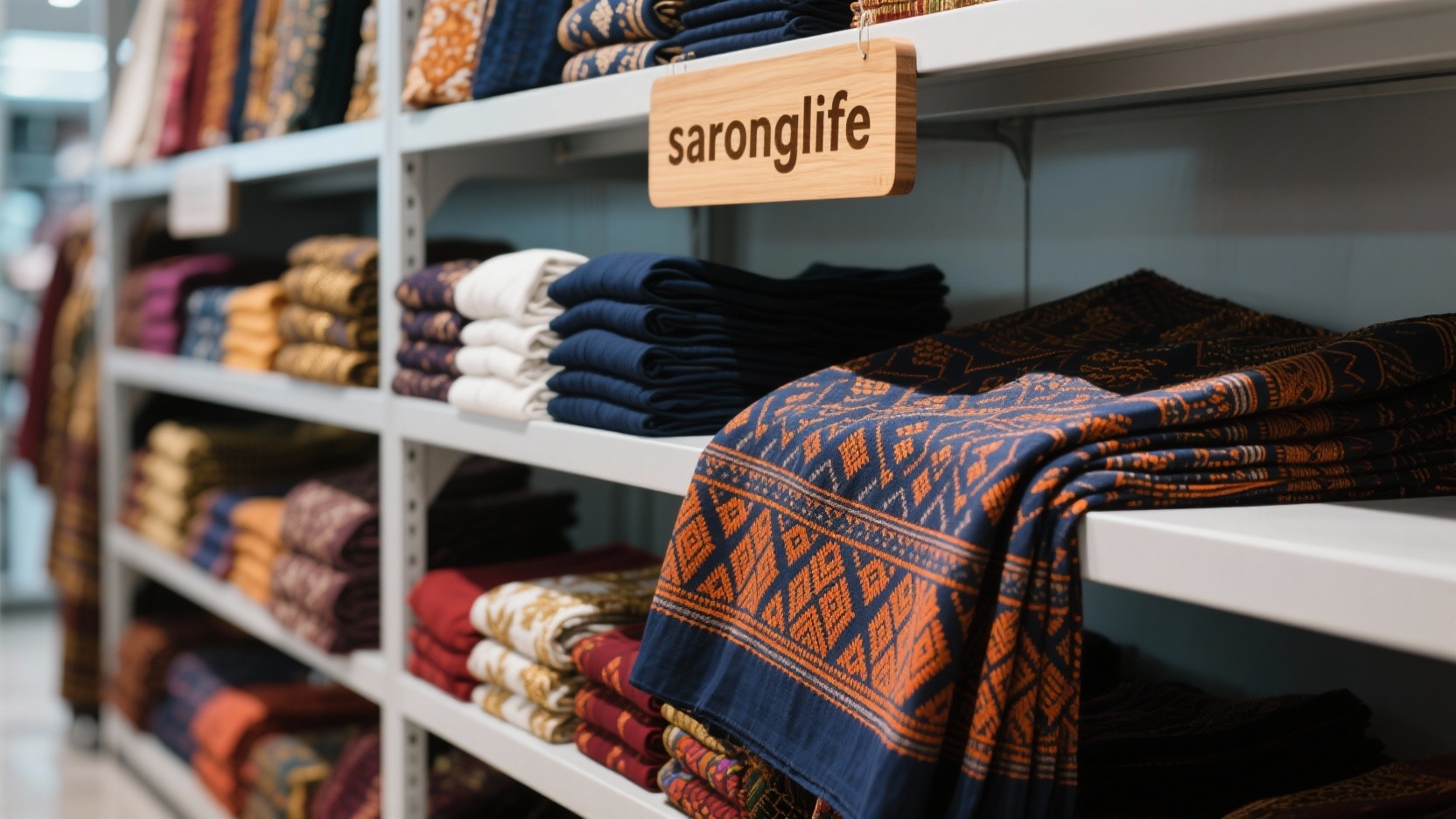
As a practitioner who has been deeply involved in the textile market in the South Pacific region for fifteen years, I know clearly that the batik sarong is not only a commodity, but also a mobile artwork that carries the cultural memory of Southeast Asia. From workshops in Indonesia to stores in Fiji, the value of high-quality batik lies in its perfect combination of craft heritage and cultural authenticity, which is precisely the core motivation for high-end resorts and boutique retailers to continue purchasing.
How to distinguish handmade batik from mechanical printing
The exquisite core of handicraft batik lies in the unique and non-replicable nature of the batik process. When you look carefully, you can clearly see that there are obvious visible wax stains on the back of the batik. The surface of the pattern shows a natural and beautiful smudged appearance, and this shape In sharp contrast, mechanically printed items display rigid symmetrical patterns that lack flexibility. If you touch the fabric lightly with your fingers, handmade products often have a slightly concave and convex waxy texture, and each piece of work has subtle but peculiar differences in the subtleties of the pattern. These unique characteristics are not only a strong testament to the quality of handmade batik, but also an extremely critical selling point that conveys its profound cultural significance to customers.
These characteristics of handmade batik are of great significance. They symbolize quality and allow customers to intuitively feel the unique charm and value of handmade products. Through these details, customers can appreciate the cultural connotation behind each handmade batik, and then have a deeper understanding and appreciation of this traditional craft. This cultural value transmission makes handmade batik not only a commodity, but also a cultural carrier, standing out in the market and attracting customers who pursue uniqueness and cultural heritage.
Batik color combination preferred by the South Pacific market
According to our supply data to resorts in Tahiti, Fiji and other places in the past three years, the sales of ocean blue-green gradient and sunset golden orange colors have continued to lead. It is recommended that when purchasing, you should pay attention to the fact that hotel supplies must maintain the unity of 60% of the main colors, while retail models can boldly use contrasting designs. In particular, you must pay attention to the taboos on traditional totem colors in some islands. For example, in Samoa, you must avoid using a combination of pure black background and white patterns.
Innovative application of batik sarong in resort scene
Are you looking for a textile solution that not only shows cultural depth but also has differentiated characteristics for the next tourist season? Everyone is welcome to share the specific procurement challenges they have encountered, and we will tailor a Batik sarong procurement strategy for you based on the characteristics of the island.
