
In Tonga, the official "tupenu" is not just a piece of clothing, it carries dignity, social class, and cultural identity. For retailers, and for resort buyers, understanding the cultural weight behind an item is the cornerstone of a successful business and gaining the trust of the local community. It is not just a standard dress for celebrations, but also a cultural agreement. This cultural agreement needs to be understood correctly and respected.
How to Dress in Tonga Tupenu for a Formal Ceremony
The strict and standardized tupenu is used for formal ceremonies. Men usually wrap it around the waist and length it to the knees or ankles. The specific length is determined according to the formality of the occasion. The most important thing is that it must be paired with a woven belt or ribbon called "kiekie", which is a necessary element to complete the entire outfit and show a sense of solemnity. On major occasions such as weddings, funerals, and noble coronations, Tupenu's fabrics are more particular, often using thick crepe or high-quality cotton, and the colors are mainly black, dark brown, or pure white to reflect solemnity. It must be worn smoothly and snugly; any wrinkles are considered a faux pas.
High-quality Tupenu fabric selection and purchasing channels
The quality of the fabric directly determines the grade of Tupenu and the applicable occasions. The most common one in the local market is printed cotton, which is suitable for daily or semi-formal occasions. However, for high-end needs, such as cultural experience projects or high-end gift shops provided by resorts for guests, I strongly recommend purchasing crepe, also known as Cr. Tupenu made of EPE or worsted cotton, this kind of fabric has good drape and stable color, and can better highlight its formality. Reliable procurement channels should give priority to local reputable manufacturers in Tonga or specialized textile wholesalers in Fiji and Samoa. They better understand the local dyeing process and the cultural significance of traditional patterns. Stop importing cheap synthetic fiber fabrics. Not only are they not breathable, they also lack cultural respect.
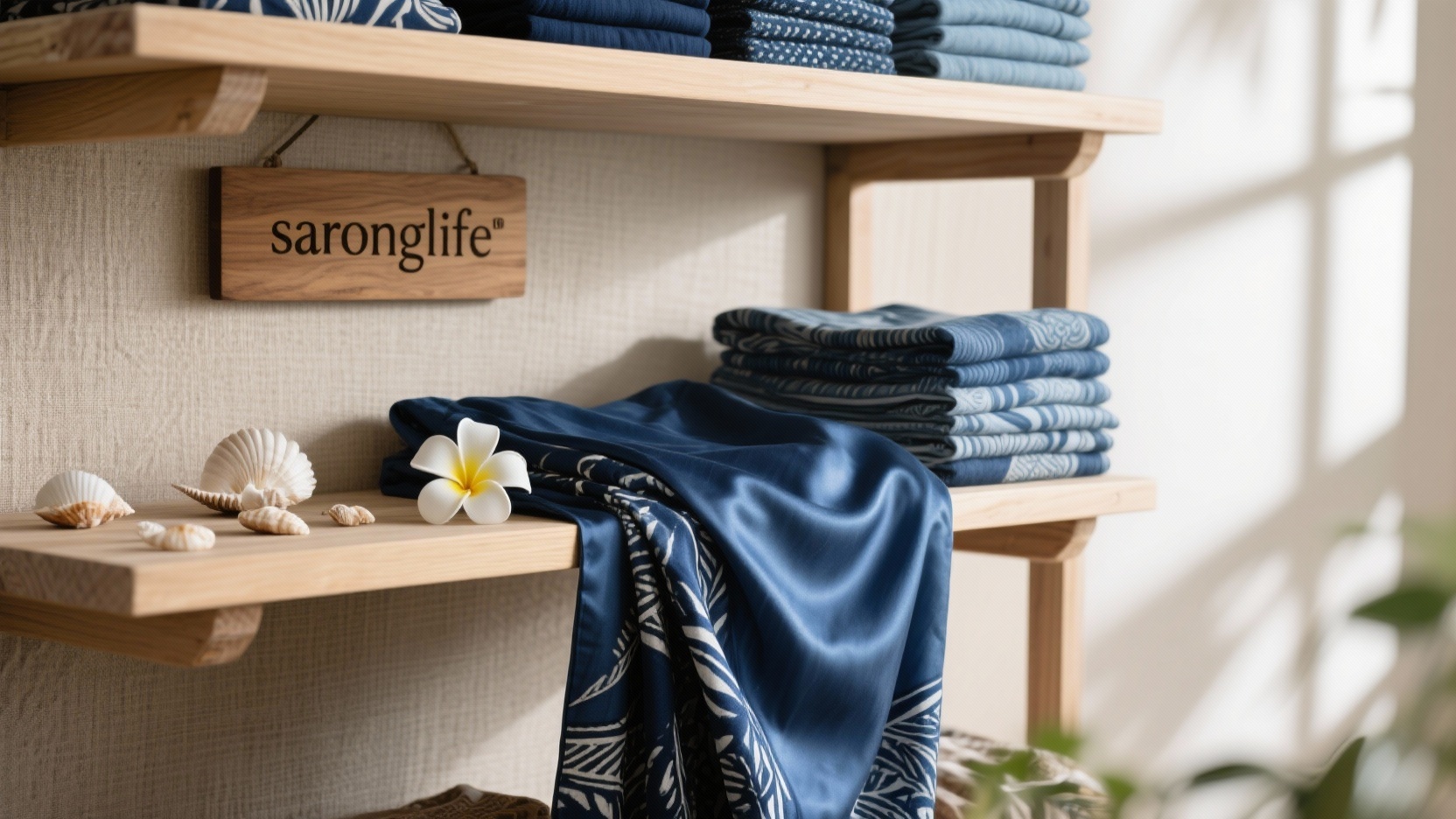
Why Tupenu is a must-have for resort cultural experiences
For resorts in the South Pacific, providing tupanu as a attire for guests to participate in cultural activities is a highly valuable investment. This is not just providing a piece of clothing, but inviting guests to deeply experience Tonga’s “faka- "Tonga" means respect and etiquette. During the welcome dinner, kava ceremony or traditional dance performance, having guests wear tupenu can immediately enhance the authenticity and solemnity of the event. When purchasing, prepare a variety of sizes and attach a simple dressing guide. This small initiative can definitely greatly and effectively enhance guests' sense of cultural recognition, and then become an unforgettable and unique highlight of their trip. It also successfully creates a professional image for the resort that respects local culture.
What cultural details should you pay attention to when wholesale traditional tupenu?
When making bulk purchases, in addition to commercial considerations, cultural details must be paid great attention to. First, there are strict taboos on color: pure black is mainly used for funerals, while bright red needs to be used with caution in many formal ceremonies. Secondly, traditional patterns, such as the triangular "malo" pattern or noble emblems, cannot be used casually. It is best to clarify the applicable scope of the pattern with the supplier. Third, packaging and transportation should also show respect. It is recommended to fold flatly instead of bundling randomly. Demonstrating an understanding of these details when communicating with suppliers can quickly build professional trust and pave the way for long-term cooperation.
As a purchaser, when introducing tupenu to a hotel or store, the most priority factors to consider are cost control, authenticity of the fabric, or giving the final consumer a complete interpretation of the cultural background? Welcome to share your opinions. If you think this article is of reference, please feel free to like and share it.
