
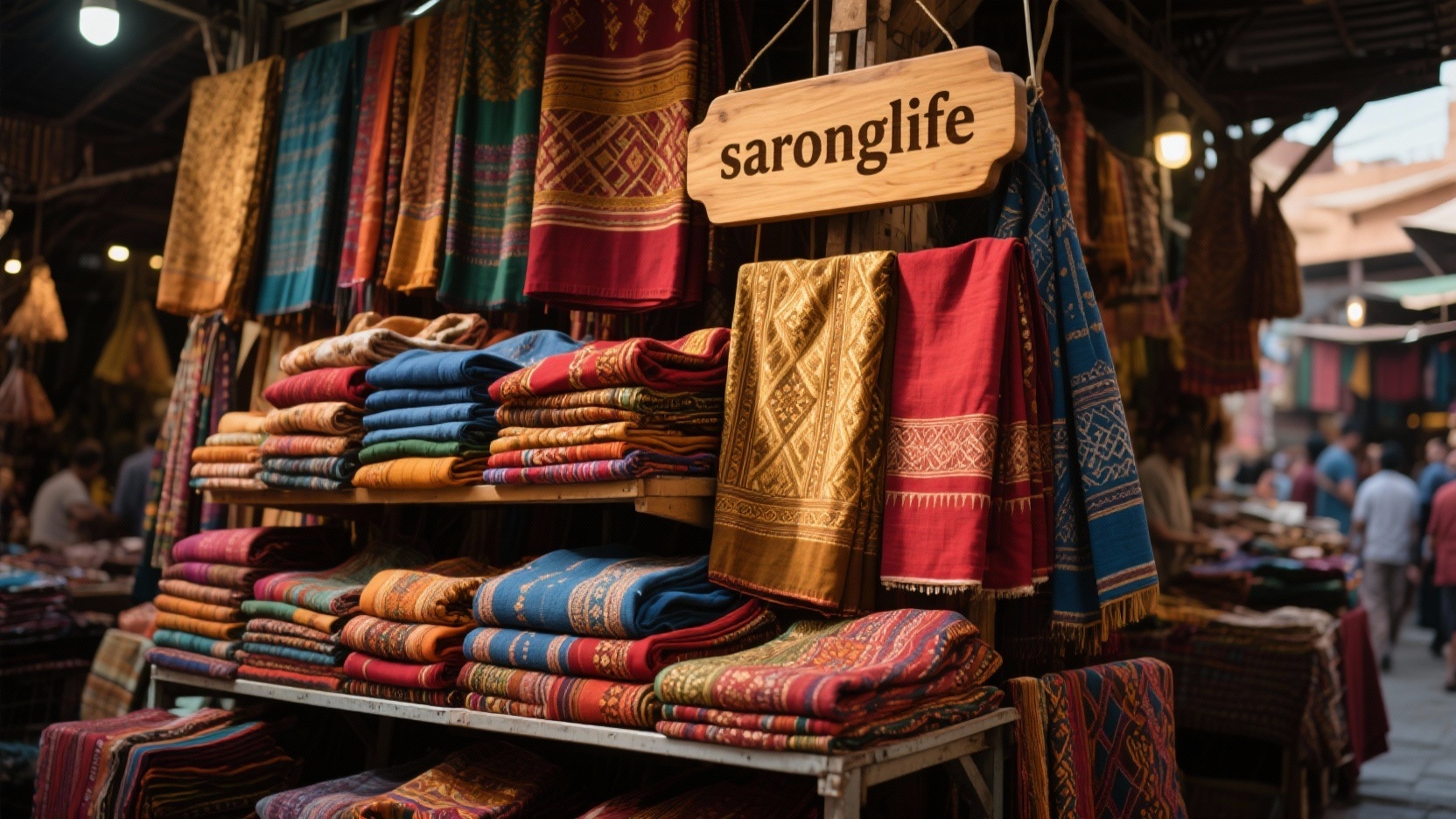
In the clothing industry in the South Pacific region, Lavalava Sarong (hereinafter referred to as Sarong) is not just a commodity, it carries the profound cultural meaning of community, ceremony and daily life. As a practitioner who contacts local areas, I deeply understand that a high-quality Sarong is the key to improving customer experience and conveying cultural value for retailers and resorts. This article will start from the perspective of professional procurement to explore how to choose products that truly meet market demand and cultural respect.
How to choose high-quality Sarong for your resort
For a resort, Sarong is the first intuitive contact impression between guests and local culture. Its quality can have a very direct impact on the guest experience and the reputation of the resort. First of all, you should pay attention to the condition of the fabric. Traditional and high-end Sarongs are mostly made of pure cotton or blended fabrics. This kind of fabric is moisture-absorbent, breathable, and soft to the touch, and is especially suitable for tropical climate conditions. Secondly, regarding the dyeing process, although the cost of handmade batik or plant-dyed products is relatively high, their color fastness and cultural uniqueness are far superior to those of cheap chemically printed products. When it comes to purchasing, be sure to check in person whether the seams are firm and whether the patterns are neatly aligned, because these details are the most direct manifestation of durability and craftsmanship.
How Sarong wholesale balances traditional patterns with market demand
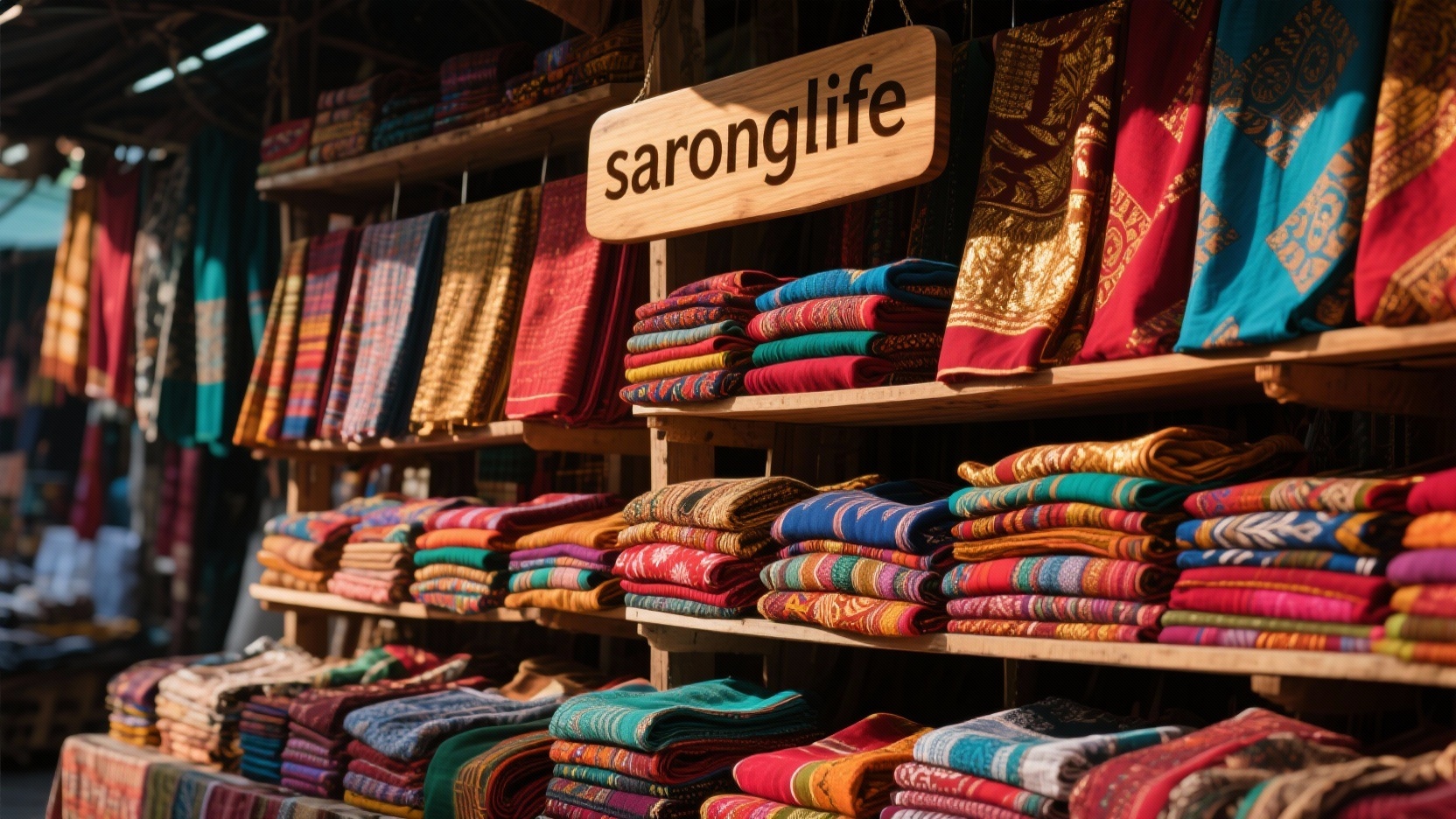
This is one of the biggest challenges when purchasing wholesale, which is to find a balance between respecting and inheriting tradition and catering to the current market. Traditional totems and patterns have their own set cultural meanings and cannot be changed or abused casually. For example, there are some patterns that are specifically attributed to specific rituals or families. My suggestion is to cooperate with reputable production communities that can provide such designs that not only retain the traditional spirit, but also make slight adjustments in color and layout to suit the public's aesthetics. At the same time, two product lines can be opened: one is a pure and authentic traditional style, targeting customer groups with strong cultural experience; the other is a modern and simple style inspired by tradition, which is more suitable for sale as daily necessities or souvenirs, so as to cover the needs of various customers to the maximum extent.
Where to find reliable Sarong manufacturer suppliers
Finding trustworthy suppliers is the foundation for business success. The most direct way is to go deep into the main production areas of South Pacific, such as Fiji, Samoa, Tonga and other places, and conduct on-site inspections of family workshops and cooperatives. These production units can usually guarantee the authenticity of products and the quality of their craftsmanship. Participating in trade fairs in the region is also highly effective. The best way is to have face-to-face communication with the manufacturer. Before starting cooperation, you must review its production ethics to ensure that it follows the principles of fair trading and respects the rights of craftsmen. After establishing a long-term cooperative relationship, you can work with suppliers to develop exclusive styles, which can create unique barriers to market competition for you.
Choosing Sarong means choosing a cultural carrier and business vision. In your current procurement, is the biggest challenge you face is ensuring cultural authenticity, or controlling costs and logistics efficiency? Welcome to share your opinions in the comment area. If you think this article has reference value, please feel free to like it and share it with your colleagues.
