
Choosing a sarong fabric that is suitable for daily wear and has good breathability is directly related to the comfort of the wearer and the repurchase rate of the product. In the climatic conditions of the South Pacific region, which is characterized by high temperatures and high humidity all year round, the breathability, moisture absorption and quick-drying properties of fabrics are core indicators that retailers and resorts must give priority to when purchasing. This situation will not only affect the tourist experience, but also determine whether local residents will choose your product in the long term.
How to identify the quality of breathable sarong fabrics
There is no way to identify the breathability of fabrics based on product descriptions alone. The most intuitive and simple way is to do a light transmission test. You need to unfold the fabric toward the light source, and then observe the density it shows when weaving. Generally speaking, fabrics that can see even and dense shiny small light spots have better breathability. In addition, you can also use the back of your hand to feel the touch of the fabric the moment it comes into contact with the skin. High-quality breathable fabrics will quickly take away the slight feeling of moisture on the surface of the skin, thus bringing a cool feeling. For wholesale purchases, my suggestion is to directly ask the supplier for sample styles, and then do a simple test with a cup of hot water, that is, cover the fabric on the mouth of the cup to feel the efficiency of water vapor penetration. This is a practical and rustic method.
Which sarong fabric is best for everyday wear in the tropics
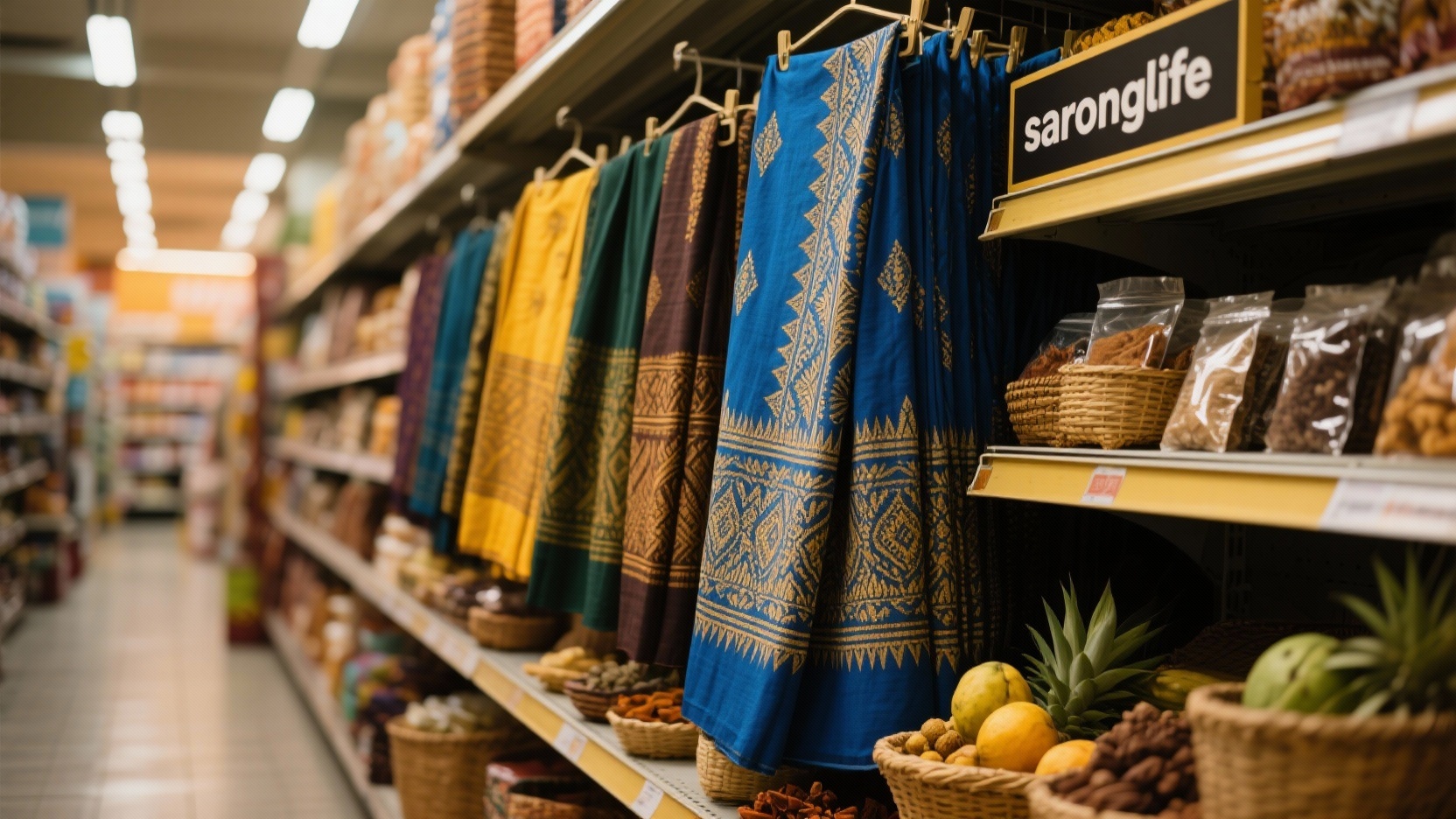
Among many natural and blended materials, high-count pure cotton and high-quality viscose fibers (such as lyocell) are the top choices for daily sarongs. Pure cotton has good hygroscopicity and is highly skin-friendly, but when choosing, you must pay attention to whether its weaving process is loose enough and breathable. The modern Lyocell fiber is extracted from wood. Not only does it have the luster and drape of silk, its moisture absorption and perspiration properties are even better than pure cotton, and it is less prone to wrinkles. It is extremely suitable for making high-end daily sarongs that combine traditional beauty with modern comfort. Avoid choosing fabrics that are too densely woven or have too high a chemical fiber content, as they can easily make people feel stuffy and uncomfortable in hot and humid weather.
Key points for purchasing breathable sarongs in resort applications
For resort purchasers, when providing sarongs for guests, in addition to comfort, they must also take into account aspects such as durability, easy care, and cultural display functions. When purchasing in bulk, pay attention to the color fastness of the fabric to ensure that it will not fade easily after being soaked in sea water for many times and exposed to the sun. At the same time, it is very important to ask the supplier whether the fabric has been pre-shrunk, which can avoid the loss of obvious size discrepancies after large batch washing. You can make such suggestions and cooperate with wholesalers to carry out customized printing and integrate local unique totems and cultural stories into the design. This can transform the sarong from an ordinary item into a cultural souvenir worth collecting, which can significantly increase the customer unit price and brand value.
Giving your guests or customers a breathable sarong that not only respects cultural traditions but also meets their needs for ultimate comfort is a key step in improving their experience. Just do it. In your recent purchasing decisions, should you focus more on the beauty of fabrics presented by traditional craftsmanship, or on the functional improvements promoted by modern technology? Welcome to share your opinions in the comment area. If you firmly believe that these purchasing suggestions are valuable, please don’t be stingy with likes and shares.
