
In the field of hotel linen and resort textile procurement, linen is a category that is often discussed but is full of misunderstandings. Many people use it as a synonym for high-end and luxury, but they lack a clear understanding of its actual performance and value in the unique climate and cultural environment of the South Pacific. As a supplier who has worked with the hotel industry in the South Pacific for many years, I hope to use this article to sort out several key issues to help purchasing partners make more informed decisions.
Is linen straw durable in South Pacific climates?
Many buyers are worried about the service life of flax in hot and humid environments. This worry is partly due to not knowing much about the characteristics of flax fiber. In fact, high-quality flax fiber has good moisture absorption and breathability properties. This is one of its durability aspects. In high temperature and high humidity environments, flax can quickly absorb and absorb moisture. Human body sweat is absorbed and evaporated into the air, keeping bedding dry and preventing fibers from being corroded and producing odors due to humidity and heat. Its fiber strength is quite high, and it becomes softer the more you wash it, rather than getting tattered the more you wash it. The key is to purchase long linen products with high count and density, and to follow appropriate washing steps. The comfort of the linens we supplied to local resorts was at its best after three years of use, proving its long-term value.
How to choose the right linen weight and weave for your resort
The weight and weaving method of the fabric directly determine its feel and applicable scenarios. The higher the weight, the better. For the South Pacific region, it is recommended to choose medium-weight linen with a weight of 140 grams to 170 grams per square meter. Within this range, it can provide it with It has sufficient drape and stiffness, and will not be too heavy to cause poor heat dissipation. In terms of weaving, it is recommended to use plain weave or a weave with slight grain changes. If an overly complicated jacquard weaving method is used, although it will have considerable aesthetics, it will sacrifice part of the breathability. For holiday villas that stand directly facing the beach, you can choose linen items with a slightly distressed texture. Its natural folds perfectly blend with the lazy style, which can better express the original beauty of the island and reduce guests' excessive attention to traces of use.
How linen procurement reflects respect for local culture
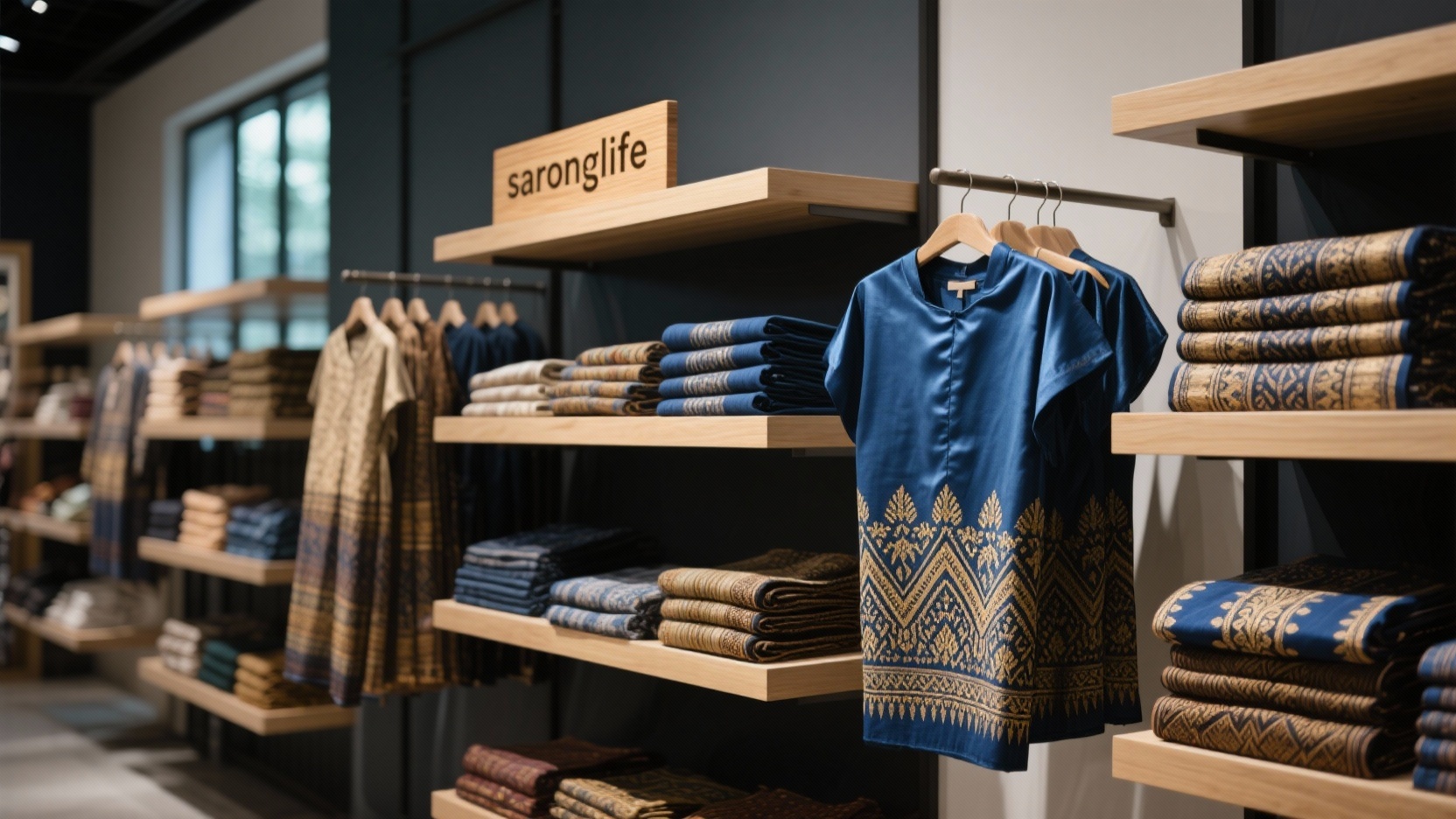
Textiles are an important part of creating a holiday experience, and their selection should incorporate the local spirit. In places such as Fiji or Tonga, pure white or natural color linen is classic, but you can consider introducing warm sand colors, coral pinks or seaweed greens lightly dyed with local plant dyes. These colors are derived from the natural environment and can silently enhance guests' sense of local connection. In addition, working with local craftsmen to add traditional hand-sewn stitches or simple totem elements to the edges of bed flags, pillowcases or napkins, even subtle embellishments, can significantly enhance the cultural depth of the product. This kind of purchasing behavior is not just an investment in quality, it is also a kind of support for community culture, and this matter can be transformed into a highly infectious chapter when the resort depicts the brand story.
Linen Total Cost of Ownership and Value Proposition
Purchasing linen as just an "item" lacks a long-term perspective. In fact, it should be regarded as an "experience" investment. Although its initial investment is higher than that of ordinary cotton linen, its overall cost of ownership needs to be calculated. It has excellent durability and can extend the replacement cycle, thus reducing the logistics and management involved in frequent purchases. More importantly, the unique sleeping experience and aesthetic style it creates can directly increase guests’ willingness to share on social media, online ratings, and the rate of repeat stays. The comfort gained by a guest who enjoys dry linen sheets in the cool midnight breeze cannot be measured by price, and this will eventually transform into the resort’s reputation and revenue.
There are resorts in the South Pacific region that are considering upgrading the quality of their linens. In addition to budget and style, have you had in-depth discussions with potential suppliers? Will the washing and care guidelines they provide be based on the specific climate conditions of your location, and will there be traceability certificates to ensure that the cultural elements of the products come from legal and ethical sources?
