
For retailers in the South Pacific and those involved in resort purchasing, selecting the right Hawaiian pareo (sometimes called a saron) is not only about inventory, but also involves an understanding of Pacific Island culture and the experience guests are going to experience. As a person with experience in textile wholesale in this area for many years, I deeply understand and feel that a piece of pareo of high quality is a perfect fusion of the craftsmanship, cultural narrative content and commercial practicality behind it. In this article, we will share several key dimensions to help you make purchasing decisions that are more professional and more favored and welcomed by the market.
How to identify the quality of Hawaiian pareo materials
First of all, the feel and longevity of a piece of pareo first depend on its material itself. Common ones on the market include pure cotton, rayon, and blended fabrics. For the high-end market for resorts and retail, I strongly recommend focusing on 100% cotton fabrics. Pure cotton pareo has moisture-absorbing and breathable properties, making it comfortable to wear in hot climates, and it can still maintain good shape and color after being washed many times. Many rayon products have an attractive luster and silky feel when you first look at them. However, they are easily deformed and faded when exposed to sea water or after frequent cleaning, and their durability is insufficient. When purchasing, be sure to feel the weight of the fabric and the density of the weave in person. High-quality cotton usually has the right thickness and solid texture.
What are the classic and popular patterns in Hawaiian pareo?
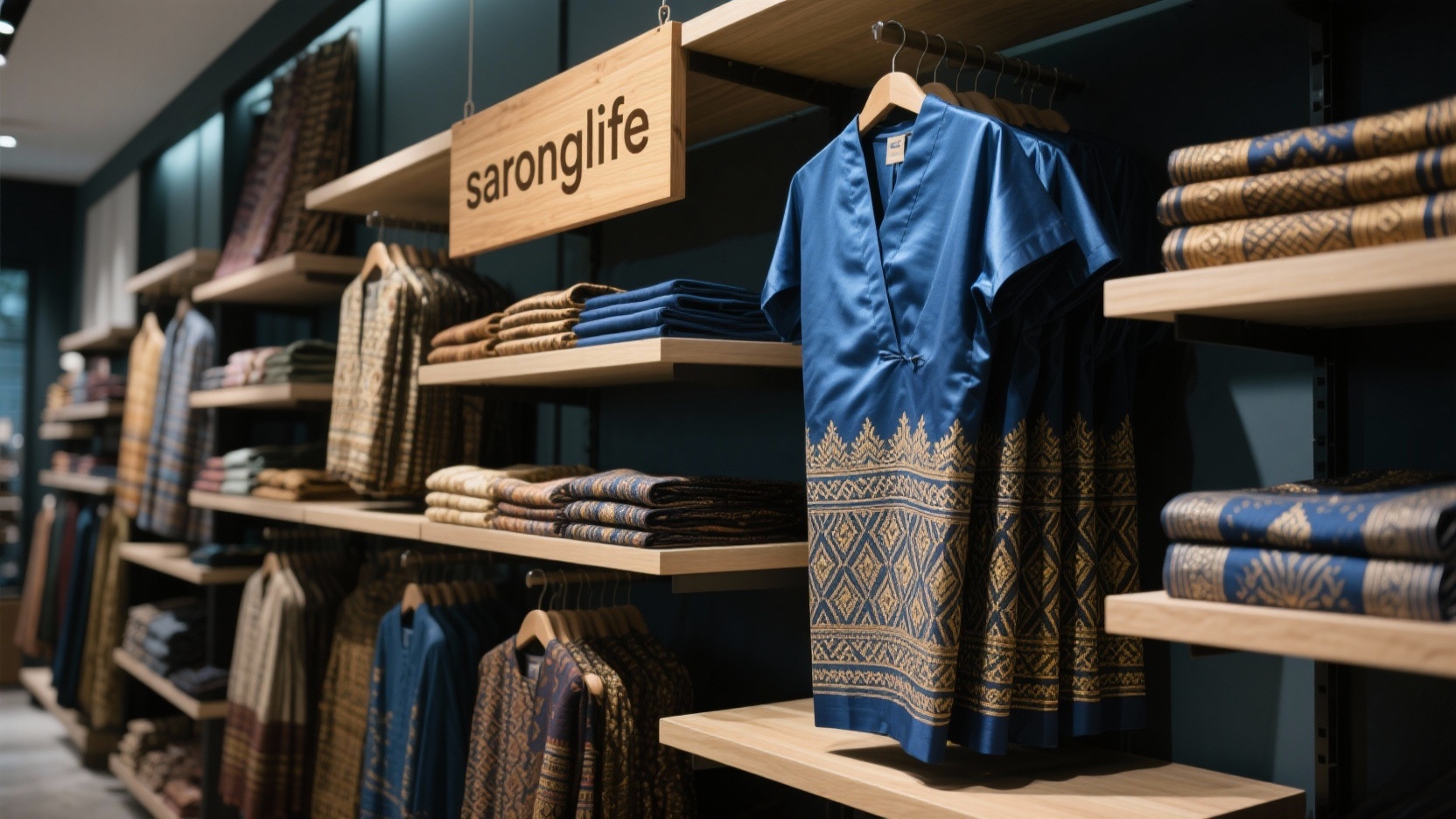
For pareo, pattern is the core of its life. It can directly express the cultural background and determine the best-selling appeal. Classic patterns like traditional Hawaiian prints, with large expanses of monstera leaves, hibiscus flowers and wavy patterns, have always been a reliable and popular choice. Such patterns highlight the authentic island characteristics of the place. In recent years, modern designs with "Asian fusion" patterns and simple geometric stripes have become extremely popular among young travelers. When purchasing, a variety of target customer groups must be taken into consideration: when purchasing products for family resorts, traditional floral patterns with bright colors and vibrant colors are the first choice; for boutique hotels that focus on outstanding design, style series with a more changing sense and more modern expressions of color can be included.
How to balance cost and value when purchasing Hawaiian pareo
The core consideration when purchasing is price, but blindly pursuing low prices may lead to subsequent customer complaints and damage to the brand. The balance lies in understanding the "cost of value." Purchasing in bulk directly from a reliable source wholesaler may have an advantage in terms of unit price compared to purchasing goods in small quantities from middlemen, and it can also ensure the integrity and stability of the pattern series. In addition, consider that pareo has many uses. It is not only a beach wrap skirt, but can also be used as a tablecloth, bedside towel or decorative fabric. Promoting these uses to customers who are resort guests or store associates can increase perceived value, thereby supporting a more profitable retail price.
When you are planning your inventory for the next season, in addition to styles and prices, have you done in-depth research on how your suppliers handle pattern design copyrights and whether their production practices comply with environmental standards? These factors are gradually influencing the purchasing decisions of global travelers. If you feel inspired, please share in the comment area the criteria you value most when choosing a pareo supplier, like this article, and pass it on to your purchasing colleagues.
