
Choosing an appropriate Hawaiian tropical printed Paleo sarong is not just as simple as buying a piece of printed fabric. It is an important link between tourist experience and island culture, and directly affects the added value of products and customer satisfaction. For retailers and resorts in the South Pacific, as a practitioner who has been deeply involved in the textile market in this region for many years, I am well aware of the business opportunities and challenges involved. This article will share several key considerations to help you make more professional and market-friendly purchasing decisions.
How to Choose High Quality Hawaiian Print Paleo
The key to high-quality Paleo is the fabric, as well as the print, and the cut. First, let’s take a look at the fabric. You need to give priority to 18% cotton or high-quality viscose fiber. Pure cotton is breathable and skin-friendly, making it suitable for daily wear; however, viscose fiber with good drape and slight luster can highlight a more luxurious atmosphere and is often used in resort spas or high-end gifts. At the printing level, high definition, sufficient color saturation and uniform penetration on both front and back are the basic conditions. Check whether there is fading by rubbing the fabric with your hands; carefully observe whether the edges of the pattern are blurred. In terms of cutting, the standard size is about 1.8 meters long and 1.2 meters wide. The edges should be rolled or locked to ensure durability and not prone to off-line.
What are the cultural meanings and design trends of tropical prints?
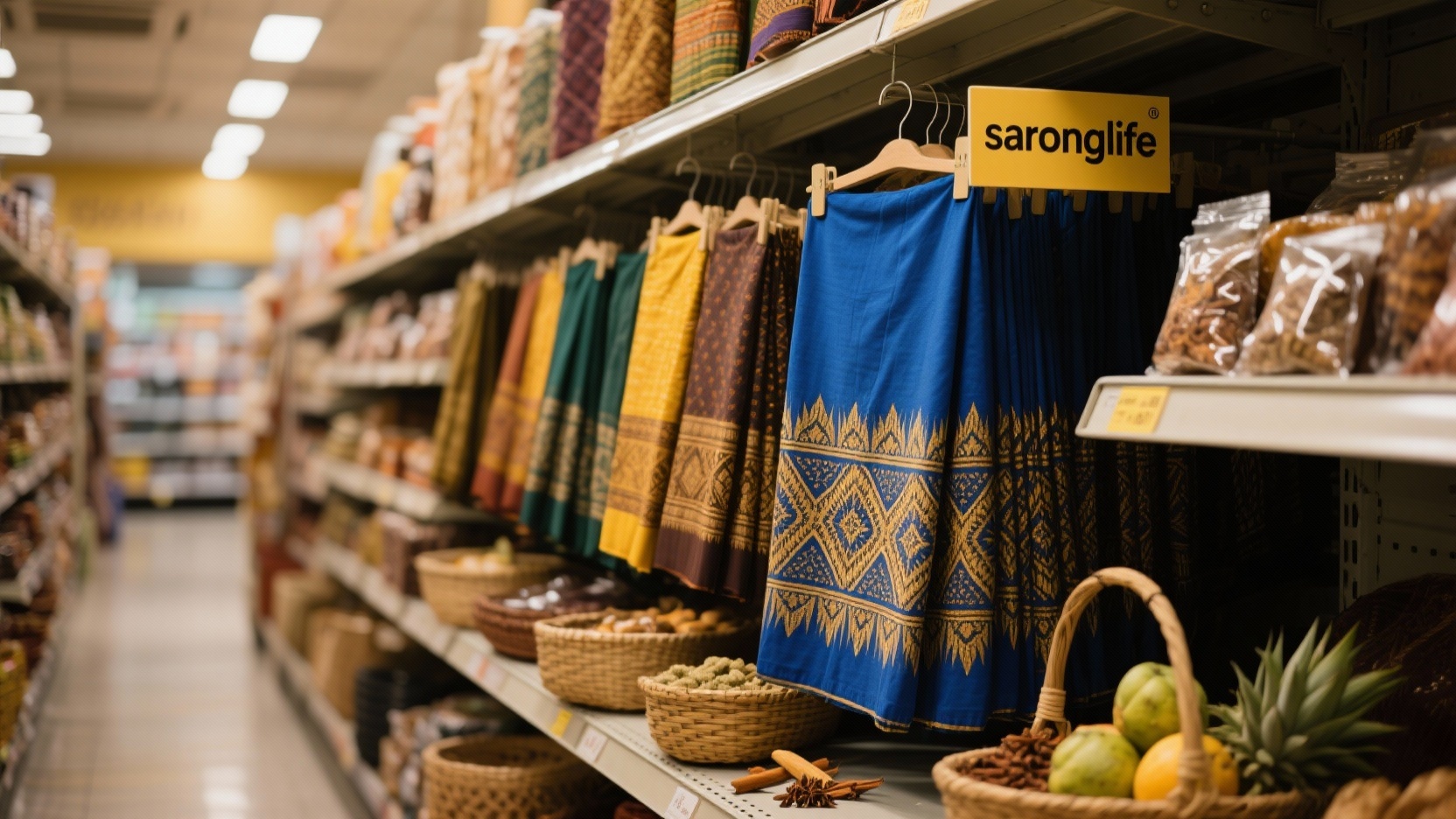
The soul is the pattern of Paleo, traditional Hawaiian prints, such as Hibiscus, Fern and Ocean. Wave) not only represents the beauty of nature, but also carries the "spirit of Aloha". When purchasing, you must understand the meaning of the basic pattern and convey this cultural respect to tourists. The current design trend is more willing to move towards the "modern tropical" style, incorporating geometric lines or more abstract expression techniques into traditional elements. In terms of color, more low-saturation earth tones have emerged to meet diverse aesthetic needs. When choosing a pattern, you need to relate it to your customer base. Traditional and bright styles will attract mass tourists, but elegant and unique designs can attract customers who are looking for in-depth experiences.
How can Pareo sarong be used in resorts to increase income?
Paleo has a value that far exceeds that of retail goods. For resort purchasers, it can become a revenue-generating tool with multiple functions. First, it can be used as a welcome gift when checking in or as a standard configuration of a guest room to improve the guest experience. Secondly, in hotel boutiques, it can be sold in combination, such as combined with straw hats and accessories, or on-site demonstrations of many different features. The same type of wearing style, such as wrap skirt style, beach shawl style, headscarf style, etc., can obviously stimulate consumption. In addition, customizing a very unique paleo with the resort logo is a powerful brand promotion method and high-end souvenir. Use it as a massage towel or bathrobe in the spa, which can also add a unique island style.
A high-quality Pareo sarong, as a carrier that connects culture and commerce, can bring you continuous customer base and reputation. In your purchasing list today, do you value cost control more, or are you willing to pay a premium for products with unique cultural stories and higher fabric quality, hoping to gain longer-term customer loyalty? I look forward to your sharing of insights in the comment area. If you find these suggestions valuable, please feel free to like and share them.
