
Across the South Pacific region, checked lungi is not only a piece of clothing that is worn daily, but also a textile with a sense of cultural identity and lifestyle. It serves as a connector between tradition and modernity, and its patterns, textures, and the scene in which it is worn all have strong regional typical characteristics. For retailers and resorts, understanding its cultural intrinsic meaning and commercial value is a key step that must be taken to successfully conduct purchasing and sales activities. This article will explore how to choose a plaid cage base that meets market needs and turn it into a cultural product that can attract customers.
How to purchase authentic checked lungi in the South Pacific region
The key to an authentic plaid cage base lies in the fabric and craftsmanship. Hand-weavers in many areas still use traditional looms. The cotton produced is tight in texture, has good breathability, has clear patterns and is not easy to fade. When purchasing, check the fabric in person or through a reliable agent. The weight (GSM) and yarn density, thick feel and uniform weave are often durable logos. In terms of pattern, traditional checkerboard and diamond plaid have their own specific color matching guidelines. These colors are often derived from natural dyes and have a unique soft luster. If we exclude those mass-produced printed products, such items that are considered authentic have significantly better results in gaining recognition from local consumers. Moreover, in terms of promoting high-quality cultural experience products to tourists, they also meet the actual needs of resorts.
Wearing and matching of checked lungi on different occasions
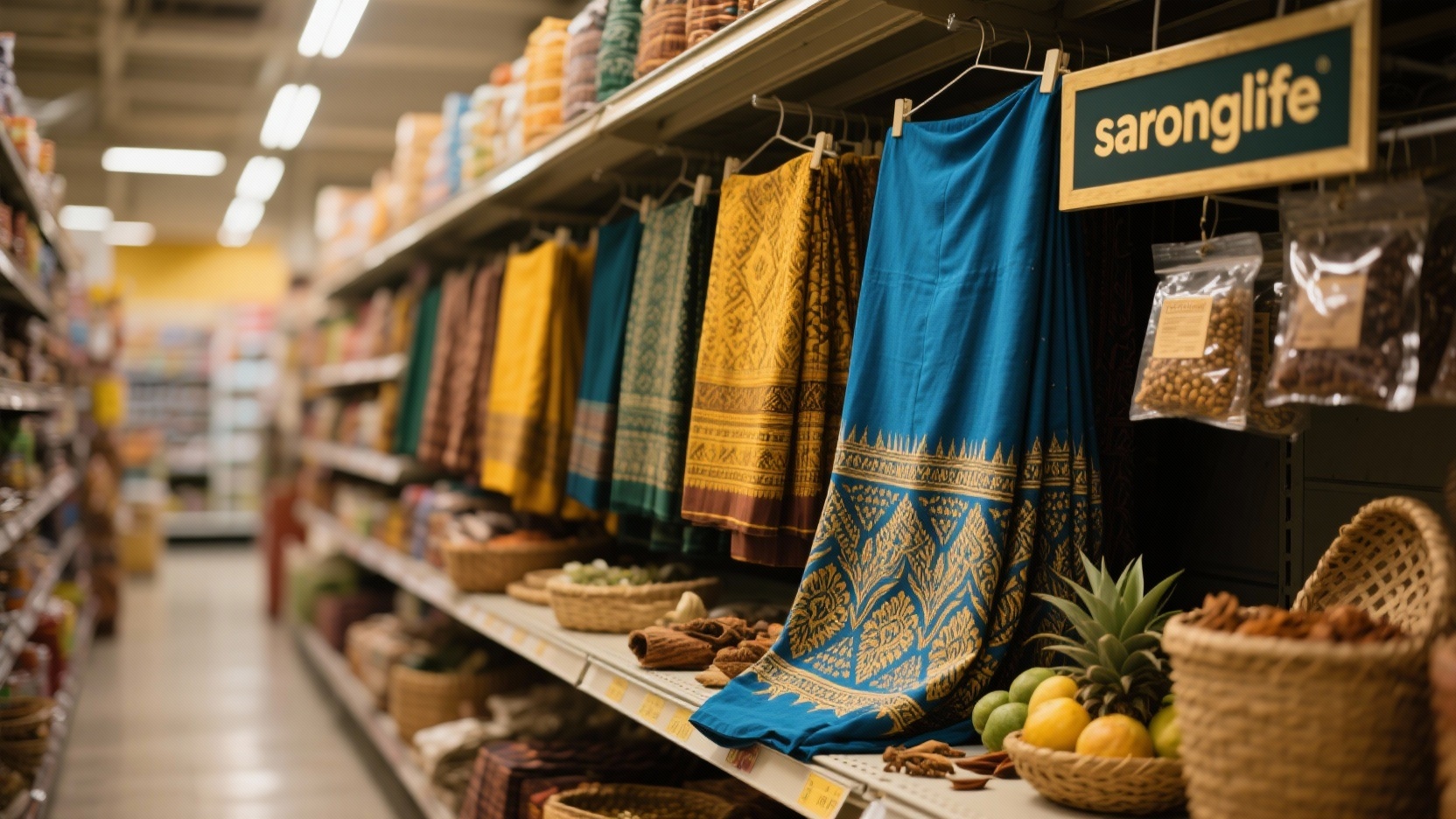
The way the cage is worn is extremely flexible, which is directly related to its sales scenario. In daily life at home and in community activities, the simple cotton plaid cage base takes comfort as the main pursuit. In formal occasions such as festivals and weddings, people will choose styles with more sophisticated materials and brighter colors, and even match them with tops of the same color. For resorts, there are two types that can be considered for purchase. One is a casual style for guests to use in the resort, which focuses on comfort and exotic experience. The other is made as a souvenir with a more design sense, such as an explanatory card to teach tourists how to wear it to the beach or participate in evening rituals like local residents. Clearly displaying its multiple uses can significantly increase the added value of the product.
Practical strategies for selling checked lungi to tourists
To successfully sell the plaid cage base to tourists, the core lies in telling the cultural story behind it. In retail locations or resort boutiques, displays can go beyond simply hanging products. You can create a small display area and use pictures or short text to explain its traditional weaving process, its importance in local people's lives and basic ways of wearing it. Training sales staff on simple dressing demonstrations and inviting visitors to try them on themselves and take photos can greatly increase interactivity and desire to buy. In addition, developing styles that are lightweight, easy to pack and have more versatile patterns, coupled with exquisite environmentally friendly packaging, can better meet the shopping needs of tourists. Positioning it as "a wearable memento of South Pacific culture" rather than just a piece of cloth.
Retail merchants and resort partners in the South Pacific region, when purchasing and selling plaid cage bases, what do you pay most attention to is the authenticity of the culture contained in the product, or is it practical for tourists and easy to promote? What specific challenges did you encounter when weighing these two points? You are welcome to share your experiences in the comment area. If this article has inspired you, please like it and share it with your peers.
