
Being in the South Pacific region, the textile market contains unique cultural value and commercial potential. The tropical apron sarong is also called Tropical Pareo. Sarong is not just a commodity, it also plays a vital role in connecting island culture, tourism experience and fashion life. As a practitioner who has been in this industry for many years, I understand the challenges faced by retailers and resort purchasers. The battle is how to choose such a product, which must not only conform to cultural aesthetics, have reliable quality, and at the same time create profits. In this article, we will discuss several key links in depth to help you make more informed decisions when purchasing.
How to identify high-quality fabrics for sarongs in the South Pacific region
In the field of bulk purchasing, fabrics play a key role in determining costs and customer experience. Common fabrics on the market include traditional plain cotton, rayon and quick-drying blended materials. Traditional cotton has good hygroscopicity, and the printed colors it presents are highly saturated, making it suitable for cultural displays and daily wear. However, it may shrink after washing. Rayon products have a smooth hand feel, strong drape, and particularly beautiful prints. They are deeply loved by tourists. However, their wet strength is relatively low, and customers need to be explained how to care for them. In recent years, there has been a lot of attention paid to blended fabrics containing Lycra or polyester fibers. They are anti-wrinkle, quick-drying and durable, which can significantly reduce the frequency of replacement. When touching the fabric with your hands, be sure to pay attention to its weight and weave details. Tight texture is a characteristic that high-quality fabrics should have, and clear and non-blurred printing is also a performance that high-quality fabrics should have.
Which sarong patterns are more popular among resort guests
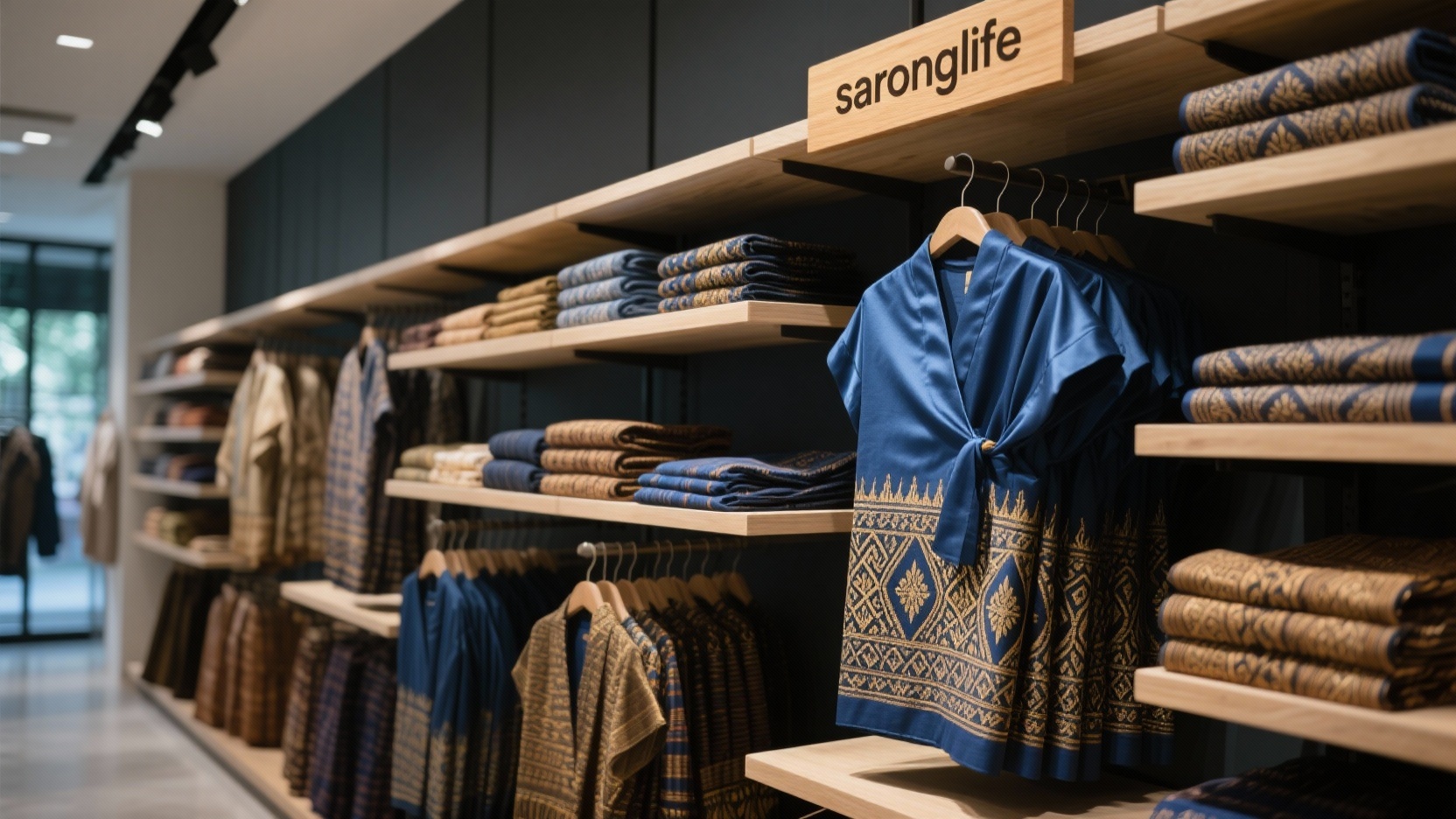
Patterns play a direct role in determining product appeal. When purchasing, you must balance cultural authenticity and market acceptance. Traditional tapa bark cloth patterns, geometric totems, marine creatures like turtles, tropical fish, and flowers like hibiscus and hibiscus are timeless classics that can show regional characteristics and are suitable for sale as cultural gifts. At the same time, simple modern abstract patterns and sarongs with gradient colors or monochrome colors with exquisite seams are in huge demand in spas, restaurants, or as room gifts in high-end resorts. For your inventory, it is recommended to maintain a ratio of 6:4 between traditional patterns and simple modern styles to cover the needs of a wider range of customer groups.
What are the key points of cost control in sarong wholesale purchasing?
Reducing costs does not mean sacrificing quality. The key is to optimize the procurement process. The first step is to cooperate directly with reputable factories or large wholesalers to reduce intermediate links and clarify your order specifications, covering sizes (commonly like 110x180cm or more). Large), as well as the seaming process (rolling or fringing) and packaging method (independent bags or batch simple packaging), each of these details will have an impact on the unit price. You should also consider ordering in mixed batches: combine best-selling models and new products in a certain proportion to obtain a better overall quotation. In addition, transportation is an important and large aspect of hidden costs, and the same is true for customs clearance. You must confirm with the supplier whether it can provide services such as arrival at the port (CIF) or even door-to-door (DDP). You must also know in advance the import tax rate set for textiles in your country.
How to turn the multiple uses of sarongs into sales highlights
From the perspective of retailers and resorts, selling sarongs must not be limited to the simple perception of just "a piece of cloth". You have to educate your customers or guest groups and show them the endless possibilities that sarongs have. The reason why we emphasize so many possibilities is that the sarong can be worn as a beach skirt, a wrap skirt, a shawl, a headscarf, or even a beach mat, tablecloth, wall decoration, or even transformed into a light summer quilt. In the case of a resort, you can organize a simple teaching course on how to wear a sarong, or you can use the sarong as a welcome gift or spa robe and exert its effect. If each sarong product is attached with a multilingual simple usage illustration card, this can really enhance the value of the product itself and the customer experience of this type of product to a great extent. Positioning the sarong as a multi-functional necessity for island life, rather than just a single souvenir, is the key to increasing the unit price.
For you who are preparing your goods for the next peak season, what is the biggest challenge or uncertainty when it comes to sarong pattern selection? What is the biggest challenge or the most uncertain factor when it comes to matching sarong materials? Feel free to share your views in the comment area. If you find these purchasing suggestions helpful, please like and share them with your colleagues.
