
Within the South Pacific region, the demand for specialty textiles in hotels and retail markets is currently growing. Among them, the Nigerian ethnic print wrap skirt, relying on its unique cultural charm and practicality, is transforming into a category worthy of attention. As someone who works in the field of textiles, I fully understand that introducing such products is not only a business choice, but also a cultural exchange. This article will share how to accurately evaluate, purchase and successfully integrate this dynamic African fabric into the South Pacific market.
Application scenarios of Nigerian printed wrap skirts in South Pacific resorts
At its core, the Nigerian print wrap dress has a strong visual narrative and cultural depth. For resorts in the South Pacific region, it is not only a good choice for staff uniforms or guest room furnishings, but also can create a unique immersive experience for guests. For example, at the reception desk, staff wear wrap skirts printed with geometric or plant patterns, which can immediately convey enthusiasm and exotic customs. Used in SPA or high-end guest rooms, it can improve the texture and storytelling of the overall decoration. When purchasing items, pay attention to the ingredients of the fabric. The "Ankara" wax printed cloth of the past has a rather stiff texture and saturated colors, and is more suitable for making uniforms and decorative cushions. However, the relatively thin cotton blended printed cloth is suitable for being made into beach wrap skirts for guests or products sold in gift shops, taking into account both comfort and durability.
How to identify the craftsmanship and cultural authenticity of Nigerian wrap skirts
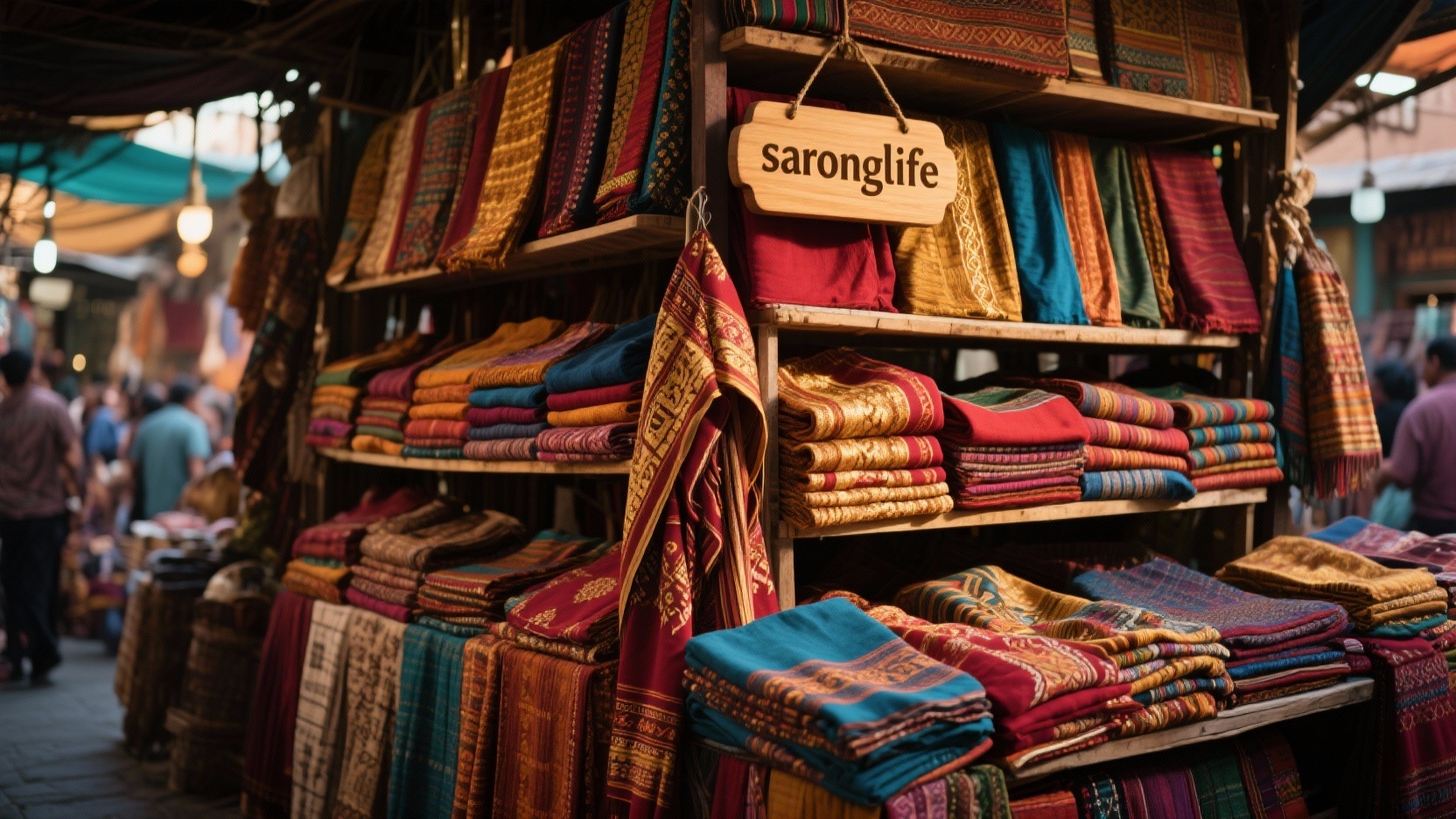
Not all African printed fabrics have the same cultural value and craftsmanship. The patterns of real Nigerian wrap skirts often carry specific symbolic meanings of Yoruba, Igbo and other ethnic groups. For example, the "Adinkra" symbol represents wisdom, and the tortoise pattern represents longevity. , when purchasing wholesale, priority should be given to cooperating with suppliers who can provide cultural background explanations. In terms of technology, the back of handmade batik patterns has better permeability and richer colors, but the price is higher, while machine-made imitation wax printed cloth is more suitable for large-scale procurement and the cost can be controlled. The core point is to ensure that the pattern design is recognized by the source community, or has relevant authorization. This is a respect for the original culture, and can also be a strong basis for telling your brand story to retail customers, thereby preventing controversy caused by cultural appropriation.
Pricing and logistics strategies for wholesale Nigerian printed fabrics to retailers
The key lies in a stable supply chain and competitive implementation costs for wholesale to succeed. Fabric quality, printing complexity and minimum order quantity have a significant impact on the pricing of wrap skirts in Nigeria. It is recommended to order containers of mixed colors when you first get them, so that logistics costs can be evenly shared. Logistics from West Africa to South Pacific must allow enough time, and seasonal fluctuations in shipping must be taken into consideration. During customs clearance, it is extremely important to accurately declare the composition and value of textiles. In terms of local pricing, in addition to cost plus, the added value of its "limited cultural collection" must be highlighted. It has the ability to provide retailers with matching display suggestions and materials in the form of pictures and texts, thereby helping retailers convey the detailed stories behind their products to end consumers, thereby forming strong support for higher retail premiums.
Introducing the Nigerian wrap skirt to the market constitutes a business activity that connects the cultures of two oceans. When you think about introducing this type of product line, what is the biggest problem? Customer acceptance of cultural products, or the stability of the supply chain. Welcome to share your insights. If this article has inspired you, please like it or share it with your purchasing team.
