
The Lavalawa wrap skirt, which originates from the Samoan tribal style, is not just a piece of clothing, it is a fluid identity and a living embodiment of culture. As an industry insider who has devoted a lot of effort and work in the South Pacific textile market for many years, I deeply understand the close connection between family history and community behind these patterns and weaving skills. For merchants engaged in retail activities and those responsible for purchasing in resorts, understanding the core cultural content it contains is the business foundation for selecting high-quality products and gaining customer trust. In this article, we will provide you with an in-depth analysis of its value and provide you with a purchasing perspective with practical application value.
What does the Samoan Lavalawa pattern mean?
Not random decoration, but a system of symbols that tell a specific story, is the hallmark of every traditional Samoan Lavalawa. For example, the “fa’a’ali’ali” pattern often symbolizes respect and honor and is used in important ceremonies; the geometric shape of “pe’a” is related to a specific family lineage or achievement. Mastering the meaning of these basic patterns can provide real and valuable information when explaining to end consumers, especially tourists looking for authentic cultural experiences. This is not only selling products, but also selling a culture that can be understood and respected.
For resorts, equipping staff with appropriately patterned lavalava uniforms or placing interpretive cultural fabrics in guest rooms can greatly enhance the immersive experience for guests. When purchasing, take the initiative to ask the supplier for the name and basic meaning of the pattern. Dependable suppliers should be able to provide this information. Choosing products with correct patterns and clear origins can effectively prevent cultural misuse and demonstrate your professionalism and respect.
How to Identify High Quality Samoan Rawalawa
The key to determining the value and durability of Lavalava is quality. First of all, we must pay attention to the fabric. The traditional “ie toga”, which is the fine mat material, is precious. However, most of Lavalava for daily wear is made of pure cotton or cotton blends. High-quality cotton has a thick feel and a tight weave. It is not prone to shrinkage and deformation after being put into the water. You can ask to check the weight and weave count of the fabric. High-count and high-density fabrics can show better texture and durability.
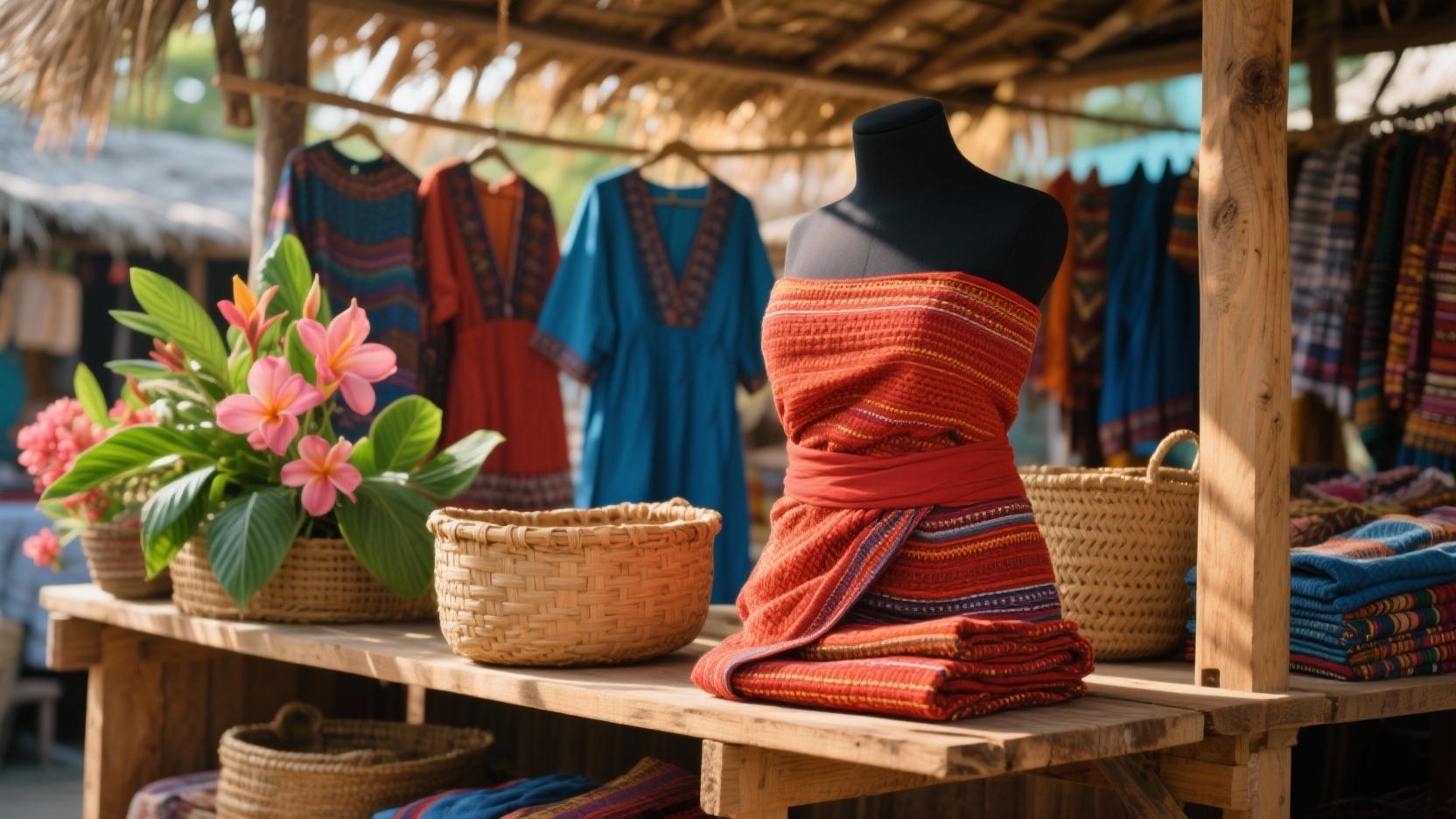 Secondly, it is the printing and dyeing process. If the pattern is hand-painted or printed with a traditional template, the edges may be slightly smudged. However, this is exactly a reflection of its handmade value, but its color should be firm and unchanged. If the machine prints with lower quality, the pattern is likely to be blurred. If the color is unclear and the color appears frivolous and fades easily, check the seams, especially the reinforced part of the waist. This part should be flat and firm. A simple test method is to gently pull the fabric. Excellent quality fabric should have good resilience and not be sparse and loose.
Where to find reliable wholesale suppliers of Lavalawa in Samoa
It is very important to establish a long-term and reliable supply chain. The most direct way is to participate in handicraft exhibitions or cultural festivals in the South Pacific region, like the Teuila Festival in Samoa. You can directly connect with artisan groups or family workshops. Such direct procurement can ensure the authenticity of the culture and better control exclusive designs.
For those retailers who need a stable volume of goods, it is a more efficient choice to find local wholesalers with a good reputation. When inspecting suppliers, pay attention to whether they have direct relationships with specific villages or artisan families, and whether they can provide stories about the cultural background of the products. A trustworthy supplier will share its production process in a transparent manner and respect traditional fair trade principles, ensuring that profits are passed back to the artisans. When making initial contact, you can start with small batch orders to test the consistency of their products and the reliability of delivery.
Buying from the Samoan tribe Lavalawa means collaborating with a rich cultural tradition. In this case, the purchaser must not only have a commercial vision, but also have cultural respect and understanding. Once your customers touch these products with real stories, they will experience value that goes far beyond the fabric itself.
Regarding your current purchasing line, should you focus more on the uniqueness of the cultural story of the product, or on the stability of large-scale supply and price competitiveness? I look forward to your sharing in the comment area. You are also welcome to like and forward it to more partners in the industry to discuss how to bring this precious island culture to the world.
Secondly, it is the printing and dyeing process. If the pattern is hand-painted or printed with a traditional template, the edges may be slightly smudged. However, this is exactly a reflection of its handmade value, but its color should be firm and unchanged. If the machine prints with lower quality, the pattern is likely to be blurred. If the color is unclear and the color appears frivolous and fades easily, check the seams, especially the reinforced part of the waist. This part should be flat and firm. A simple test method is to gently pull the fabric. Excellent quality fabric should have good resilience and not be sparse and loose.
Where to find reliable wholesale suppliers of Lavalawa in Samoa
It is very important to establish a long-term and reliable supply chain. The most direct way is to participate in handicraft exhibitions or cultural festivals in the South Pacific region, like the Teuila Festival in Samoa. You can directly connect with artisan groups or family workshops. Such direct procurement can ensure the authenticity of the culture and better control exclusive designs.
For those retailers who need a stable volume of goods, it is a more efficient choice to find local wholesalers with a good reputation. When inspecting suppliers, pay attention to whether they have direct relationships with specific villages or artisan families, and whether they can provide stories about the cultural background of the products. A trustworthy supplier will share its production process in a transparent manner and respect traditional fair trade principles, ensuring that profits are passed back to the artisans. When making initial contact, you can start with small batch orders to test the consistency of their products and the reliability of delivery.
Buying from the Samoan tribe Lavalawa means collaborating with a rich cultural tradition. In this case, the purchaser must not only have a commercial vision, but also have cultural respect and understanding. Once your customers touch these products with real stories, they will experience value that goes far beyond the fabric itself.
Regarding your current purchasing line, should you focus more on the uniqueness of the cultural story of the product, or on the stability of large-scale supply and price competitiveness? I look forward to your sharing in the comment area. You are also welcome to like and forward it to more partners in the industry to discuss how to bring this precious island culture to the world.
Secondly, it is the printing and dyeing process. If the pattern is hand-painted or printed with a traditional template, the edges may be slightly smudged. However, this is exactly a reflection of its handmade value, but its color should be firm and unchanged. If the machine prints with lower quality, the pattern is likely to be blurred. If the color is unclear and the color appears frivolous and fades easily, check the seams, especially the reinforced part of the waist. This part should be flat and firm. A simple test method is to gently pull the fabric. Excellent quality fabric should have good resilience and not be sparse and loose.
Where to find reliable wholesale suppliers of Lavalawa in Samoa
It is very important to establish a long-term and reliable supply chain. The most direct way is to participate in handicraft exhibitions or cultural festivals in the South Pacific region, like the Teuila Festival in Samoa. You can directly connect with artisan groups or family workshops. Such direct procurement can ensure the authenticity of the culture and better control exclusive designs.
For those retailers who need a stable volume of goods, it is a more efficient choice to find local wholesalers with a good reputation. When inspecting suppliers, pay attention to whether they have direct relationships with specific villages or artisan families, and whether they can provide stories about the cultural background of the products. A trustworthy supplier will share its production process in a transparent manner and respect traditional fair trade principles, ensuring that profits are passed back to the artisans. When making initial contact, you can start with small batch orders to test the consistency of their products and the reliability of delivery.
Buying from the Samoan tribe Lavalawa means collaborating with a rich cultural tradition. In this case, the purchaser must not only have a commercial vision, but also have cultural respect and understanding. Once your customers touch these products with real stories, they will experience value that goes far beyond the fabric itself.
Regarding your current purchasing line, should you focus more on the uniqueness of the cultural story of the product, or on the stability of large-scale supply and price competitiveness? I look forward to your sharing in the comment area. You are also welcome to like and forward it to more partners in the industry to discuss how to bring this precious island culture to the world.