
Within the scope of the textile trade in the South Pacific region, Batik Kain Sarong is not just a commodity, it is also a form of wearing art with a rich cultural heritage. As a bridge between Southeast Asian manufacturers and the South Pacific market, I deeply understand that for retailers and resort purchasers, understanding the value behind them and selecting products that fit the local customer base are the keys to achieving business success and cultural respect. This article will share several core points to help you make more professional purchasing decisions that are popular with the market.
How to choose a batik sarong style suitable for resort guests
Guests who go to the resort are looking for a unique vacation experience and souvenirs of cultural significance. Therefore, when making a style selection decision, you should first give priority to the aesthetic universal applicability and cultural friendliness and compatibility of the pattern. Those traditional patterns that are too complicated or have strong religious symbolism may not be easily understood by ordinary tourists. On the contrary, geometric or abstract patterns with natural elements such as flowers, waves, tropical vegetation as the theme will be more popular among people. In terms of color, those bright, lively and lively color series, such as cobalt blue, coral pink, and sunlight yellow, are far more attractive than deep and heavy traditional colors. In terms of fabric materials, it is recommended to choose cotton blended materials that are lightweight, quick-drying and quick-drying to adapt to the island's climate and effectively improve the comfort of customers.
Pricing and profit strategies of batik sarong in local retail
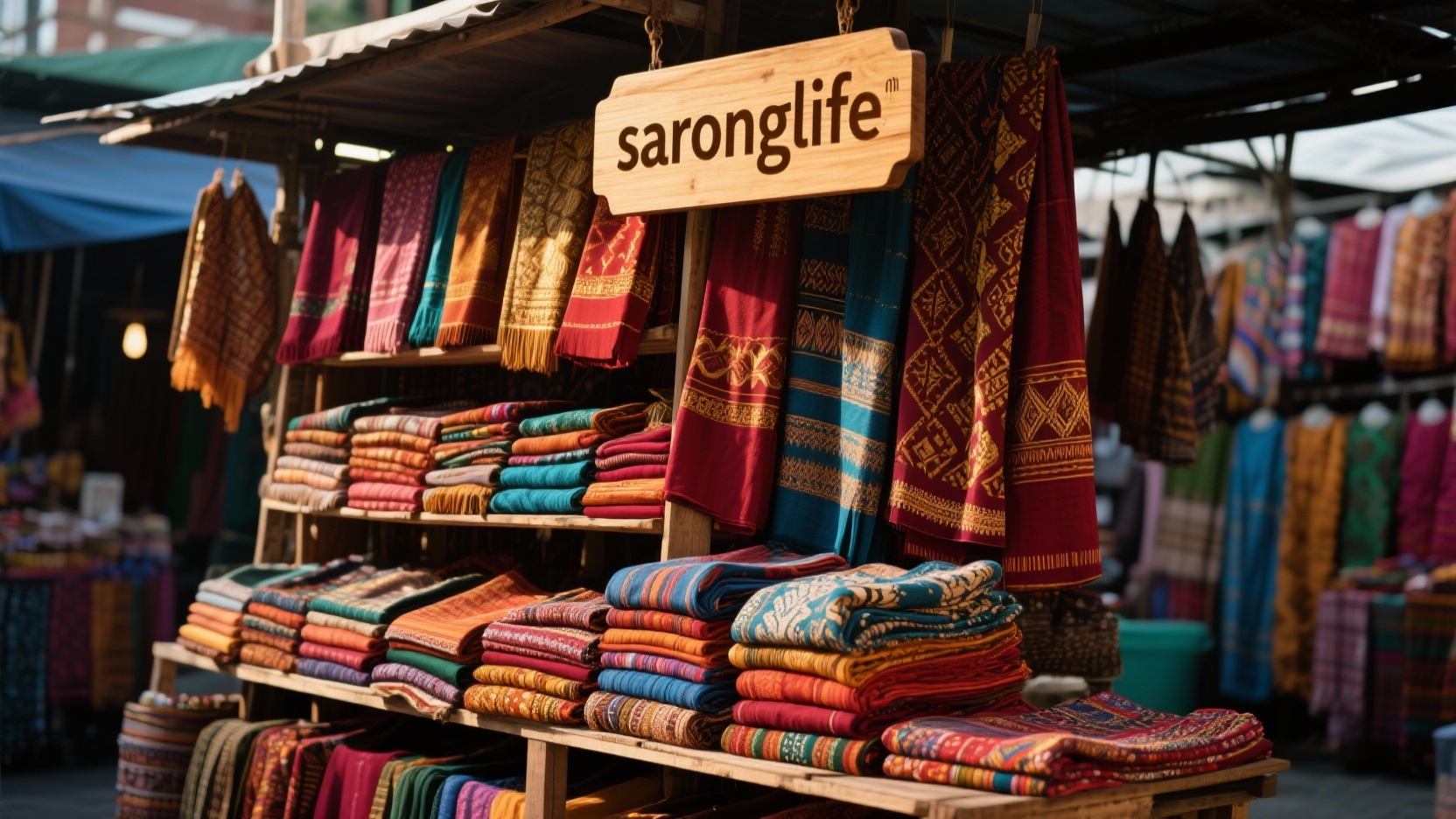
Half of the successful retail sales are reasonable pricing. First of all, your costs need to include international freight, tariffs and local logistics costs. It is not just the purchase price. It is recommended to price sarongs with different craftsmanship. Machine-printed sarongs can be used as entry-level products to focus on cost-effectiveness. Hand-painted or The mid-to-high-end positioning of copper mold printing and dyeing emphasizes artistry and uniqueness. The retail price is usually between 2.5 and 3.5 times the landed cost. If the price tag is clear, you can use one or two sentences to introduce the process or the meaning of the pattern. This can effectively enhance the perceived value of the product and support a higher premium.
Introduce the unique value of batik technology to high-end customers
When facing high-end customers who value quality and cultural connotation, your introduction must go beyond the product itself. Let’s focus on the value of “handwork”. A good hand-painted batik sarong starts with the design, then waxing, repeated dyeing, and then boiling and removing the wax. This may take several weeks to complete. Each pattern is unique. It can also explain the principle of "resist dyeing" in traditional batik and how to create rich colors through layered dyeing. At the same time, it emphasizes the many uses of the sarong. It is not just an apron, but can also be used as a beach shawl, coffee table decoration, or even framed wall art. This in-depth understanding of craftsmanship and versatility can build your reputation as a professional buyer and gain long-term trust from customers.
Engaged in batik sarong business at Nan Tai Market, an art that combines business vision with cultural sensitivity. By choosing the right product and telling its story in the right way, you can find your own blue ocean among the competition.
In your island market, how aware do you think customers are of the cultural value of batik sarongs? What is the biggest problem you encounter during the sales process? Welcome to share your views in the comment area. If this article has inspired you, please feel free to like and share it.